
Are you ready to revolutionize the tech industry with your innovative product idea? In today’s fast-paced and competitive market, creating a Minimum Viable Product (MVP) is the key to success. This blog will guide you through the process of rapidly developing a quick MVP for your tech product, giving you the edge you need to validate your ideas efficiently, save time and resources, and ultimately succeed in the market. We’ll explore the concept of MVP, its importance in the tech industry, and the key elements that make up a successful tech MVP. Get ready to dive into the world of rapid MVP development and learn how to avoid common pitfalls while measuring the success of your MVP. With real-world case studies and a comprehensive list of tools and resources, you’ll be equipped to take your tech MVP from concept to reality in no time. So, buckle up and get ready to embark on an exciting journey towards creating a quick MVP for your tech product!
Understanding the Concept of MVP in Tech
So, you’ve got this amazing idea for a tech product, but you’re not quite sure where to start. That’s where the concept of MVP comes in. MVP, or Minimum Viable Product, is the simplest version of your product that you can put out into the market to gather feedback and validate your idea. It’s like a sneak peek of your grand vision, a quick and dirty version that allows you to test the waters without investing too much time and resources.
In the fast-paced world of technology, time is of the essence. The concept of MVP is crucial because it allows tech companies to quickly bring their ideas to life and get them in front of potential users. By focusing on the core features and functionality, you can get your product out there in record time. This not only gives you a head start in the market but also allows you to gather valuable feedback early on, which can then be used to iterate and improve your product.
When it comes to creating a tech MVP, there are a few key elements to keep in mind. First and foremost, simplicity is key. The goal is to build something that is functional and can be tested, not something that is loaded with bells and whistles. You also need to identify the core features that are essential for your product to function and prioritize those above all else. Finally, it’s important to remember that the MVP is not the final product. It’s just the starting point, and you should be prepared to iterate and evolve based on the feedback you receive.
Benefits of Creating a Quick MVP
Credits: techmagic.co
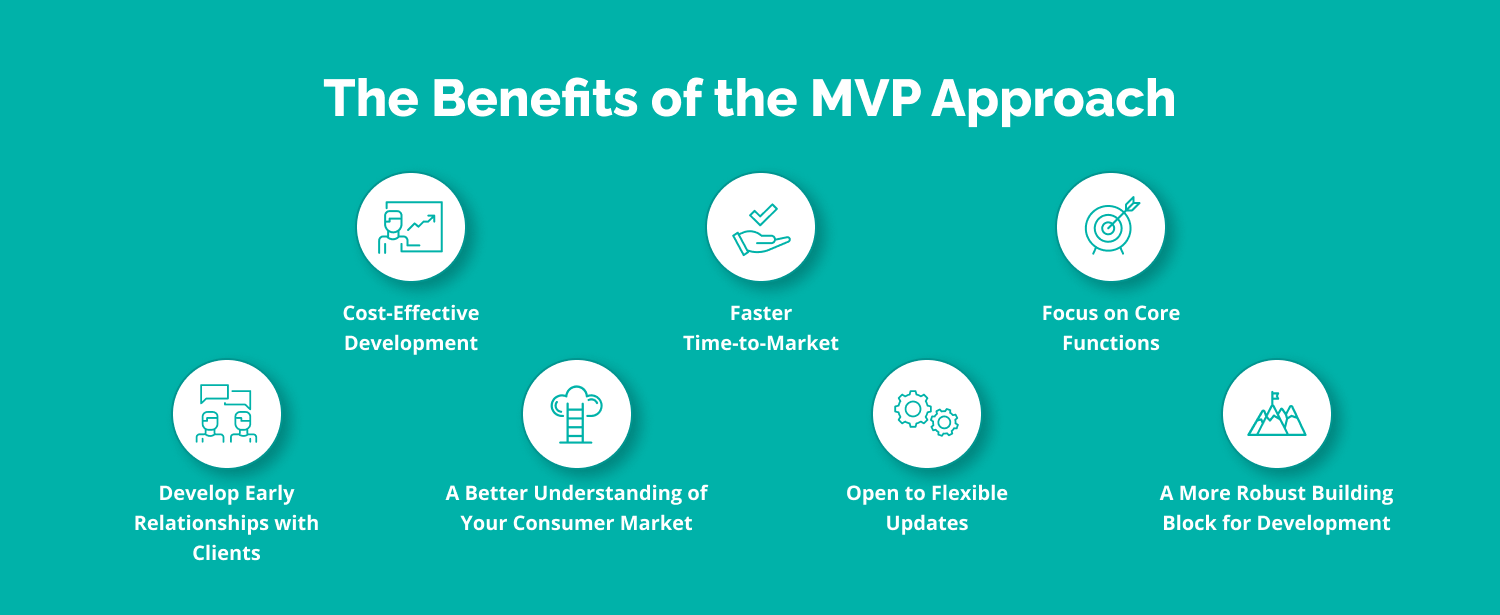
Creating a quick MVP for your tech product comes with a multitude of benefits that can significantly impact the success of your project. One of the most exciting advantages is the ability to speed up product development. By focusing on creating a minimal viable product in a short time frame, you can rapidly iterate and test ideas, leading to a faster overall development process. This agile approach allows you to respond to market trends and user feedback quickly, giving you a competitive edge in the tech industry.
In addition to speeding up product development, creating a quick MVP also allows you to efficiently validate your product ideas. Instead of spending months or even years developing a full-featured product, you can quickly launch a basic version to gather real-world feedback from users. This validation process is invaluable as it helps you identify whether your product solves a real problem and meets the needs of your target audience. By rapidly validating your ideas, you can avoid investing time and resources into a product that may not gain traction in the market.
Furthermore, creating a quick MVP can save you valuable time and resources. Traditional product development cycles can be lengthy and resource-intensive, often requiring significant financial investment before the product is even launched. By focusing on a quick MVP, you can minimize the time and resources spent on initial development, allowing you to test the market with minimal investment. This approach not only reduces the financial risk associated with launching a new tech product but also enables you to allocate resources more efficiently based on the feedback and insights gained from the MVP.
Strategies for Rapid MVP Development
Are you ready to kickstart the development of your tech product’s Minimum Viable Product (MVP) in record time? Look no further, as we’ve got some exciting strategies that will help you achieve rapid MVP development. One of the most effective approaches is to utilize prototyping tools that allow you to quickly create a visual representation of your product’s features and functionality. By using these tools, you can gather valuable feedback from stakeholders and potential users early on, which is essential for refining your MVP.
Another game-changing strategy for rapid MVP development is the implementation of Agile methodology. By breaking down the development process into small, manageable tasks and iterations, you can ensure that progress is made swiftly and efficiently. Agile also promotes collaboration and flexibility, allowing you to adapt to changes and continuously improve your MVP. This approach is particularly effective for tech products, as it enables you to prioritize the most crucial features and deliver them in a timely manner.
In addition to prototyping tools and Agile methodology, leveraging MVP development frameworks can significantly accelerate the creation of your MVP. These frameworks provide a structured approach to identifying the core functionalities of your product and prioritizing them for initial release. By following a proven framework, you can streamline the development process and avoid unnecessary complexity, ultimately leading to a quicker time-to-market for your MVP. With these strategies in your arsenal, you’ll be well-equipped to create a high-quality MVP for your tech product in no time!
Key Considerations for Tech MVP Development

Credits: upsilonit.com
When it comes to developing a Minimum Viable Product (MVP) for a tech product, the key considerations are crucial in ensuring its success. One of the first steps is to identify the needs of the target audience. Understanding what the users are looking for and what problem the product solves is essential in creating a successful MVP. By conducting thorough research and gathering feedback from potential users, you can gain valuable insights that will guide the development process.
Choosing the right features to include in the MVP is also an important consideration. It’s easy to get carried away and want to include all the bells and whistles, but the key is to focus on the core features that will provide the most value to the users. By prioritizing the features based on their impact and feasibility, you can create a lean and effective MVP that delivers on its promise. This approach not only helps in saving time and resources but also allows for quicker validation of the product idea.
testing and iterating for continuous improvement is the final key consideration for tech MVP development. Once the MVP is developed, it’s crucial to gather feedback and analyze the user’s interactions with the product. This feedback loop helps in identifying any shortcomings or areas for improvement, which can then be addressed through iterative updates. By continuously testing and refining the MVP, you can ensure that it evolves into a robust and user-friendly product that meets the needs of the target audience.
Common Pitfalls to Avoid in Quick MVP Creation
Rushing without proper planning is a common pitfall that many entrepreneurs fall into when creating a quick MVP. It’s easy to get caught up in the excitement of bringing a new tech product to market, but without taking the time to carefully plan out the MVP, you may end up with a subpar product that fails to meet the needs of your target audience. By rushing through the planning phase, you run the risk of overlooking key features and functionality that are essential for the success of your product.
Another common pitfall to avoid is overlooking user feedback. When creating a quick MVP, it can be tempting to rely solely on your own instincts and assumptions about what your target audience wants. However, failing to gather and incorporate user feedback into the MVP can result in a product that misses the mark. By engaging with your target audience early on and incorporating their feedback into the MVP, you can ensure that the product is aligned with their needs and preferences.
Failing to define clear goals for the quick MVP is yet another pitfall to watch out for. Without clear goals in place, it’s easy to lose focus and end up with a product that lacks direction. By clearly defining the purpose of the MVP, as well as the specific features and functionality that need to be included, you can ensure that the product remains on track and effectively addresses the needs of your target audience.
Measuring Success of a Quick MVP
Tracking key performance indicators (KPIs) is a crucial aspect of measuring the success of a quick Minimum Viable Product (MVP). By setting clear KPIs such as user acquisition, conversion rates, and retention, you can effectively evaluate the performance of your MVP. These KPIs provide valuable insights into the initial reception of your product and allow you to make data-driven decisions for future iterations. Whether it’s the number of sign-ups or the percentage of active users, KPI tracking enables you to gauge the impact of your MVP in a quantifiable manner.
In addition to KPIs, analyzing user engagement metrics is essential for determining the success of a quick MVP. Metrics such as time spent on the platform, click-through rates, and user interactions provide valuable information about how users are engaging with your product. By understanding user behavior, you can identify areas for improvement and optimize the user experience. Whether it’s through A/B testing or usability studies, user engagement metrics can guide you in making informed decisions to enhance the overall performance of your MVP.
Furthermore, gathering feedback and iterating based on user input is a key component of measuring the success of a quick MVP. By soliciting feedback from early adopters and gathering insights from user testing, you can gain valuable perspectives on the strengths and weaknesses of your product. This feedback loop not only fosters a sense of community and involvement with your target audience but also allows you to make rapid iterations to address any pain points. By continuously refining your MVP based on user feedback, you can ensure that it aligns with the needs and preferences of your target market, ultimately contributing to its success.
Case Studies of Successful Quick MVPs in Tech
Credits: curiosum.com
Let’s dive into some exciting case studies of successful quick MVPs in the tech industry! One great example is the story of Dropbox, a file hosting service that quickly gained popularity after launching their MVP. Dropbox’s quick MVP allowed them to test the market and gather valuable feedback before investing more time and resources into their product. By launching a simple version of their file-sharing platform, they were able to validate their idea and attract early adopters, which set the stage for their future success.
Another fascinating case study is the story of Airbnb, an online marketplace for lodging and tourism experiences. The founders of Airbnb launched a quick MVP to test their concept of allowing homeowners to rent out their extra space to travelers. By creating a simple website and listing a few properties, they were able to gauge interest and gather feedback from both hosts and guests. This quick MVP approach allowed them to iterate on their idea and refine their platform before scaling up, ultimately leading to the massive success that Airbnb is today.
These case studies demonstrate the power of quick MVPs in the tech industry. By launching a minimal version of their products, both Dropbox and Airbnb were able to validate their ideas, gather valuable feedback, and make informed decisions about the direction of their businesses. These examples highlight the importance of speed and agility in product development, as well as the value of testing the market early on. By drawing insights from these successful quick MVPs, we can learn valuable lessons for our own MVP development strategies.
Tools and Resources for Quick MVP Development
When it comes to creating a quick MVP for tech products, having the right tools at your disposal can make all the difference. There are a plethora of MVP prototyping tools available that can help you bring your idea to life in a matter of days, if not hours. From wireframing and mockup tools to interactive prototyping platforms, these tools are designed to streamline the MVP development process and get your product in front of potential users as quickly as possible.
In addition to prototyping tools, there are also recommended MVP development frameworks that can significantly speed up the process of creating a minimum viable product. These frameworks provide a structured approach to MVP development, offering best practices and pre-built components that can be easily customized to fit your specific product requirements. By leveraging these frameworks, you can avoid reinventing the wheel and focus on delivering a functional MVP in the shortest amount of time possible.
Lastly, there are a variety of useful resources available for tech MVP creation, including online communities, forums, and knowledge bases that can provide valuable insights and support throughout the MVP development journey. Whether you’re looking for tips on rapid prototyping, advice on choosing the right technology stack, or guidance on user testing strategies, these resources can be invaluable in helping you navigate the complexities of MVP development and achieve quick, tangible results.
Conclusion and Next Steps
Creating a quick MVP for tech products is an essential step in the product development process. By focusing on the core features and functionality, you can rapidly validate your product idea and gather valuable feedback from users. The key takeaway here is to prioritize speed and efficiency without sacrificing the quality of the MVP.
Moving forward, it’s important to implement the MVP strategies discussed in this blog. This includes identifying the core value proposition of your product, defining the minimum set of features required to demonstrate that value, and building a prototype that can be tested with real users. By following these steps, you can ensure that your MVP is aligned with your overall product vision and goals.
Finally, there are plenty of resources available for further MVP development. Whether it’s online tools for building prototypes, communities for gathering user feedback, or guides for refining your MVP strategy, the next steps are to explore these resources and continue iterating on your MVP. Remember, the goal is to quickly learn and adapt based on user insights, so stay open to experimentation and improvement as you move forward with your tech product.
Our ideal customer profile is small to medium-sized tech companies looking to streamline their MVP development process. At quikmvp.com, we offer a range of services and tools designed to help companies quickly and efficiently develop and launch their minimum viable product. From user testing and feedback collection to rapid prototyping and iteration, our platform is the perfect solution for tech companies looking to get their product to market faster and more effectively. With our easy-to-use interface and comprehensive suite of features, quikmvp.com is the go-to resource for companies looking to streamline their MVP development process.
Frequently Asked Questions
1. What is an MVP?
An MVP, or Minimum Viable Product, is a version of a new product that allows a team to collect the maximum amount of validated learning about customers with the least effort.
2. How can I create a quick MVP for a tech product?
To create a quick MVP for a tech product, you can start by identifying the core features that provide the most value to your target audience. Then, use rapid prototyping and iterative development to build and test the product in small increments.
3. What are the key elements of a successful MVP?
The key elements of a successful MVP include a clear understanding of the problem you’re solving, a focus on the core features, a user-friendly interface, and a feedback loop for continuous improvement.
4. How can I validate my MVP idea?
You can validate your MVP idea by conducting user testing, gathering feedback from early adopters, and analyzing key metrics such as user engagement and conversion rates.
5. What are the common mistakes to avoid when creating an MVP?
Common mistakes to avoid when creating an MVP include overbuilding the product, neglecting user feedback, and failing to define clear success criteria.
TL;DR: Understanding the concept of MVP in the tech industry is crucial for efficient product development. By creating a quick MVP, you can save time and resources, validate product ideas, and identify target audience needs. However, it’s important to avoid common pitfalls and measure success through KPIs and user engagement metrics. Case studies and recommended tools and resources can provide valuable insights for successful MVP development.