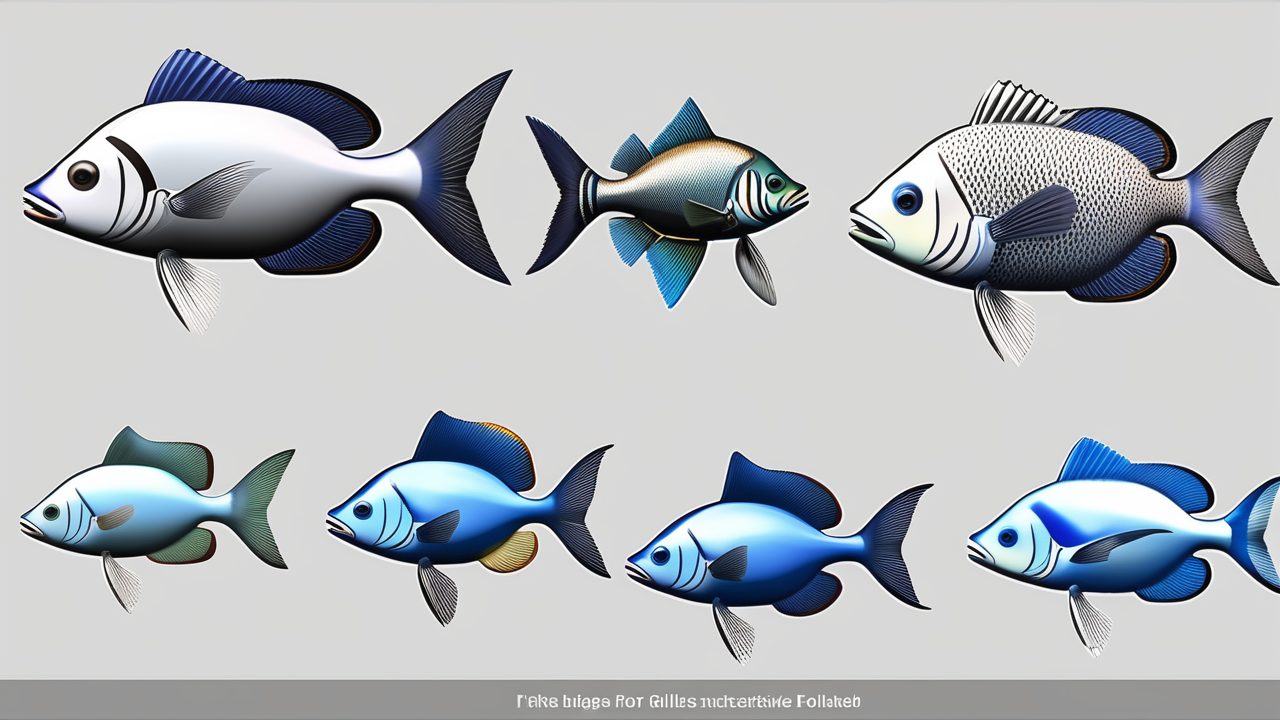
Welcome to “Fish Information,” your go-to guide for everything about fish. Whether you’re a curious beginner or an experienced aquarium owner, this blog covers it all. We’ll dive into different types of fish, their habits, how to care for them, and much more. Our goal is to make fishkeeping easy and enjoyable for everyone. So, let’s jump in and explore the fascinating world of fish together!
## Fish Species and Classification
Fish can be grouped into three main classes: jawless, cartilaginous, and bony fish. Jawless fish are the **most primitive and lack** jaws and paired fins. Cartilaginous fish, such as sharks and rays, have skeletons made of **cartilage instead of bone**. Bony fish, the most diversified group, possess a skeletal system made of bone. These classes highlight the evolutionary journey of aquatic vertebrates.
Jawless fish, which include species like lampreys and hagfish, possess some unique traits. They have a circular, sucker-like mouth and often rely on a parasitic lifestyle, attaching to other fish to feed on their blood. Their lack of jaws means they have other adaptative feeding mechanisms. These species also have elongated, eel-like bodies and no scales.
Bony fish are characterized by their hard, calcified skeletons. They are the most numerous and **diversified among the fish** classes, including species such as salmon, trout, and goldfish. Bony fish typically have swim bladders that help control buoyancy, and their gills are covered by an operculum, providing protection and aiding in respiration. This class also shows a vast range of adaptations to different aquatic environments.
## Anatomy and Physiology of Fish
**Fish use gills** to breathe underwater. Water flows over the gills, and tiny blood vessels there take in oxygen and release carbon dioxide. This is their way of getting the air they need without coming to the surface.
Fish have special sensory organs to help them navigate and survive in their environment. They have a **lateral line system** that detects vibrations and movement in the water. Their eyes are adapted to see well underwater, and many have a keen sense of smell to find food and avoid predators.
The life cycle of a fish starts with an egg. Once hatched, the young fish, or fry, grow into juveniles and then adults. Fish **reproduce in various ways**; some lay eggs while others give birth to live young. The specific method of reproduction can vary greatly among different species.
## Habitats and Distribution
Fish can be found in both **freshwater and saltwater environments**. Freshwater species, like bass and trout, live in rivers, lakes, and streams. Saltwater species, such as tuna and mackerel, inhabit oceans and seas. Each type of water body offers unique conditions that fish have adapted to over millions of years. These adaptations can be physical, like changes in gill structure, or behavioral, like migration patterns. Understanding these differences is important for both fishing and conservation efforts.
Fish have developed a variety of adaptations to thrive in different environments. For instance, those in deep oceanic waters often possess bioluminescent organs to navigate and attract prey in the dark. Conversely, fish in fast-flowing rivers may have streamlined bodies to help them swim against strong currents. These **adaptations are crucial for survival** and have resulted in a diverse array of species. Each adaptation serves a specific purpose, directly influencing the fish’s behavior and role within its ecosystem.
Habitat fragmentation poses significant threats to fish populations. When a water body is divided by dams, pollution, or other barriers, it disrupts **migration routes and breeding grounds**. This fragmentation can lead to population declines and even extinction for some species. Fragmented habitats also make it difficult for fish to find food and avoid predators, further stressing already vulnerable populations. Conservation efforts are essential to mitigate these effects, ensuring that fish populations remain healthy and ecosystems function properly.
## The Study of Fishes: Ichthyology
The **history of ichthyology dates** back to ancient civilizations. Early scholars like Aristotle documented different species and their behaviors. During the Renaissance, with the advent of better tools and more interest in natural sciences, significant progress was made. Throughout the 18th and 19th centuries, explorers and naturalists discovered and classified many species, laying foundational work for modern study. Thus, ichthyology developed from observations and classifications to a structured science of studying aquatic life forms.
In recent times, **technological advancements have revolutionized** ichthyology. Researchers now use sophisticated tools like molecular markers, genetic mapping, and satellite tagging to study fish populations and their movements. Imaging techniques such as MRI and CT scans have enabled detailed examination of fish anatomy without dissection. Additionally, environmental DNA (eDNA) sampling helps detect species presence in a particular area, providing a non-invasive method for monitoring biodiversity.
Several ichthyologists have made groundbreaking contributions to science. Some notable figures include David Starr Jordan, who described many new species and authored important texts on fish classification. Eugenie Clark, known as the ‘Shark Lady’, made **significant discoveries about shark** behavior and physiology. Their work, along with advancements by many other researchers, has expanded our understanding and opened new frontiers in aquatic biology, demonstrating the critical role of fishes in ecosystems.
## Fish in Human Society
Fish play a **crucial role in medical research**, offering insight into developmental biology, genetics, and disease processes. Zebrafish, in particular, are highly valued due to their **transparent embryos and rapid development**. These characteristics make them excellent models for studying gene functions and watching developmental processes in real-time. Research on fish has led to advancements in understanding various human conditions like cardiovascular diseases, cancer, and neurological disorders.
Fisheries are economically important worldwide, providing millions of jobs and serving as a significant source of food. The fishing industry supports not just the livelihoods of fishermen, but also numerous businesses involved in processing, packaging, and distributing fish products. Sustainable management of fishery resources is crucial to maintain the balance between human consumption needs and ecological health. Overfishing and environmental changes pose challenges that necessitate scientific and regulatory attention to ensure long-term viability.
Keeping fish as pets and maintaining aquariums offer educational and emotional benefits. Fish tanks can serve as a window into aquatic life, fostering interest in marine biology and promoting relaxation. Proper care and suitable environments are essential to ensure the health and well-being of pet fish. Aquariums can also play a role in conservation efforts by educating the public about endangered species and the importance of biodiversity.
## Conservation and Threats
Overfishing is one of the biggest threats to fish populations. It happens when fishermen catch fish faster than they can reproduce, leading to the decline of many species. This impacts not only the fish but also the entire ecosystem and human communities that rely on them for food and livelihood. Sustainable fishing practices are crucial to allow **fish populations to recover** and maintain balance in marine environments.
Pollution and habitat loss are other significant threats to fish. Chemical runoff, plastic waste, and oil spills contaminate water bodies, adversely affecting the health of fish and other aquatic creatures. Additionally, the destruction of habitats such as coral reefs and mangroves, which act as breeding and feeding grounds, further endangers fish populations. Protecting and restoring these habitats is essential to ensure the survival of various fish species.
Effective conservation strategies are needed to address these threats. Marine protected areas can help by restricting certain activities to allow ecosystems to thrive. Also, implementing strict regulations on fishing practices and reducing pollution sources can significantly impact fish conservation. Public awareness and education campaigns are important to encourage more responsible behavior towards our water resources.
## Frequently Asked Questions
#### 1. What are the basic types of fish?
Fish can be broadly divided into three types: freshwater fish, saltwater fish, and brackish water fish.
#### 2. What are the key differences between freshwater and saltwater fish?
Freshwater fish live in lakes and rivers, while saltwater fish live in the ocean. Freshwater fish usually have to constantly balance their internal salt levels, unlike saltwater fish which live in saline environments.
#### 3. How do fish breathe underwater?
Fish breathe underwater using gills. Gills extract oxygen from water, allowing fish to live and breathe beneath the surface.
#### 4. What is the role of a fish’s swim bladder?
A swim bladder helps fish maintain buoyancy. By adjusting the gas in their swim bladder, they can float up or sink down in the water.
#### 5. How do fish reproduce?
Fish reproduce in various ways; some lay eggs, while others give birth to live young. Fertilization can occur internally or externally, depending on the species.
TL;DR Fish information covers various topics including the classification and unique traits of different fish species, their anatomy and physiology, and their different habitats. It explores the study of fish (ichthyology), history and modern research techniques, and their contributions. The importance of fish in human society is discussed, highlighting their roles in medical research, fisheries, and as pets. The impact of overfishing, pollution, and habitat fragmentation on fish populations is examined, along with various conservation strategies.