
In 1735, Carl Linnaeus devised a taxonomy to categorize all living beings, providing a system to compare and understand them better. The animal kingdom, organized into nine taxonomic ranks, often omits the first two for simplicity. This classification reveals the characteristics and differences among organisms, ranging from the simplest sponges to complex vertebrates. Major phyla include Porifera (sponges), Coelenterata (jellyfish), and Arthropoda (insects), among others. Vertebrates are further split into five classes: fish, amphibians, reptiles, birds, and mammals. Surprisingly, scientists believe we know only 15% of the estimated 8.7 million species on Earth. This taxonomy helps us make sense of the vast diversity of life around us.
## The History of Animal Classification
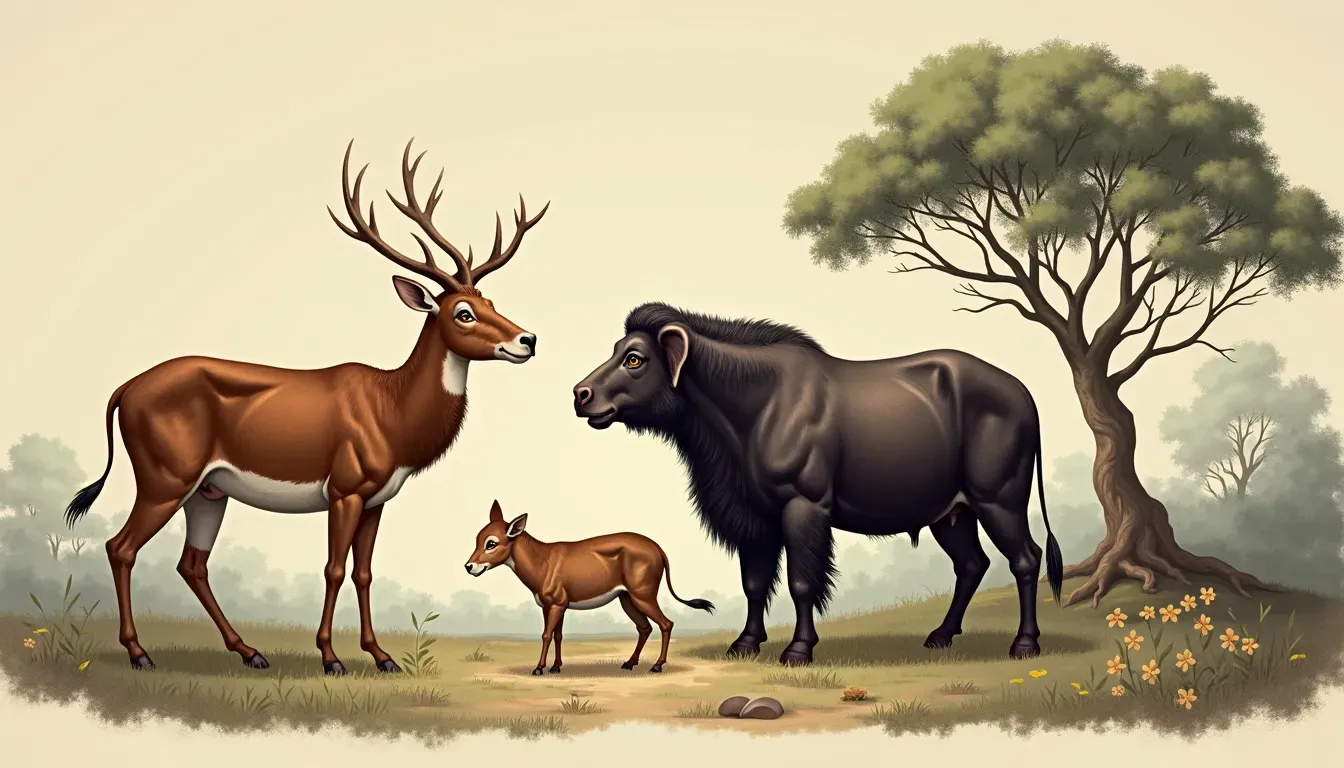
Carl Linnaeus, often considered the father of taxonomy, made significant contributions to the classification of the animal kingdom. In the 18th century, Linnaeus introduced the **binomial nomenclature system**, which is still in use today. This system assigns each species a two-part Latin name, consisting of the genus and species. For example, humans are classified as Homo sapiens. Linnaeus’ work laid the foundation for modern biological classification.
Over time, the taxonomy of the animal kingdom has evolved. Initially, classifications were based on physical characteristics and observable traits. As scientific understanding grew, taxonomists began to incorporate genetic, molecular, and evolutionary relationships into their classifications. The introduction of more specific ranks, such as family, order, and phylum, allowed for a more detailed and hierarchical classification system. This evolution reflects the increasing complexity and depth of biological knowledge.
Modern taxonomy methods have dramatically advanced with the advent of genetic sequencing and molecular biology. Scientists now use DNA analysis to determine relationships between species, leading to more accurate classifications. Techniques such as cladistics focus on the evolutionary relationships and common ancestry of species. This method groups organisms into clades based on shared derived characteristics. An example of modern classification is the use of molecular data to reclassify certain reptiles and birds into new categories that better reflect their evolutionary relationships.
## Understanding Taxonomic Ranks
Taxonomic ranks in the animal kingdom form a **hierarchical system to classify** and organize all living organisms. This hierarchy ranges from broad categories to specific groups, making it easier to study the relationships between different animals. The major ranks are Domain, Kingdom, Phylum, Class, Order, Family, Genus, and Species.
There are several taxonomic ranks that are often overlooked but play a key role in further detailing the classification system. These ranks include Subphylum, Subclass, Suborder, and Subspecies. They help to provide a more nuanced understanding of the evolutionary relationships and characteristics of various animal groups.
To illustrate the taxonomic ranks, consider the classification of the domestic dog (Canis lupus familiaris). From the top level: Domain: **Eukaryota, Kingdom: Animalia, Phylum**: Chordata, Class: Mammalia, Order: Carnivora, Family: Canidae, **Genus: Canis, Species: Canis** lupus, Subspecies: Canis lupus familiaris. Each rank provides more specific information, leading to a precise identification of the organism.
## Characteristics of the Animal Kingdom
Animals can vary from simple to complex organisms. Simple organisms, like sponges, lack specialized tissues or organs. Complex organisms, like mammals, have highly developed structures with specialized functions. This **diversity allows animals** to thrive in almost every habitat on Earth.
Despite their diversity, **all animals share** some common traits. They are multicellular, eukaryotic organisms, which means their cells contain a nucleus and other organelles enclosed within membranes. Animals are also heterotrophic, meaning they obtain their food by consuming other organisms.
The animal kingdom is incredibly diverse, encompassing a **wide range of species** and life forms. Animals can be as small as microscopic plankton or as large as the blue whale. They inhabit various environments, from deep oceans to bustling forests and arid deserts. To illustrate this diversity, consider the differences between a jellyfish drifting in the ocean and an eagle soaring high in the sky.
## Key Animal Phyla and Their Traits
Porifera: The **simplest animals**
Porifera, commonly known as sponges, are the simplest animals. They lack true tissues and organs, organized around a system of pores and channels that allow water to circulate through them. This water current system enables them to filter feed, extracting small particles of food from the water. Sponges are mostly marine, with some freshwater species. They are sessile as adults, meaning they attach to a surface and do not move. Examples include the common bath sponge and glass sponges found in deep oceans.
Mollusca: Adaptation and Diversity
Mollusca is a highly diverse phylum that includes snails, clams, and octopuses. These animals range from slow-moving herbivores to fast-swimming predators. They have a soft body covered by a mantle, and many species secrete a shell made of calcium carbonate. Major classes include Gastropoda (snails and slugs), Bivalvia (clams and oysters), and Cephalopoda (octopuses and squids). Noteworthy adaptations include the ability to produce ink for defense, advanced eyes similar to those of vertebrates, and a radula, a unique tongue-like organ used for feeding.
Echinodermata: Unique Features
Echinodermata consists of marine animals such as starfish, sea urchins, and sea cucumbers. They have a unique water vascular system used for locomotion, feeding, and respiration. Echinoderms exhibit radial symmetry, usually in fives or multiples of five, and possess an endoskeleton made of calcareous plates. They can regenerate lost body parts, which is particularly well-known in starfish. Other examples include brittle stars, which have long, slender arms, and sand dollars, which are flat and burrow into the sand.
## Vertebrata and Its Five Classes
Pisces: Life in Water
Pisces, or fish, are **aquatic animals that live** in water bodies like oceans, rivers, and lakes. They have gills to extract oxygen from water, and their bodies are often streamlined to help them swim efficiently. Examples of fish include salmon, tuna, and goldfish.
Aves: Diversity in Flight
Aves, or birds, are **known for their feathers** and ability to fly, although some species are flightless. They have hollow bones that reduce body weight and strong muscles for wing movement. Examples of birds include eagle, parrot, and penguin.
Mammalia: From Land to Sea
Mammalia, or mammals, are characterized by the **presence of mammary glands** which females use to feed their young. They are warm-blooded and have fur or hair covering their bodies. Mammals live in diverse habitats, from land to sea. Examples of mammals include humans, elephants, and whales.
## The Uncharted Biosphere
The estimated number of species in the animal kingdom far exceeds the number of known species. Scientists estimate there could be anywhere between **5 million to 30 million** distinct species globally, while only about 1.5 million have been described and cataloged. This astounding gap highlights the vast unknown diversity that still needs to be explored and understood.
Discovering new species is fraught with challenges. **Many parts of the world** remain unexplored due to their remote locations, hostile environments, or political instability. Additionally, microscopic and deep-sea organisms are harder to collect and study. Misidentification and limited funding further complicate the efforts to catalog new species. These difficulties mean that many species may become extinct before they are even discovered.
The future of taxonomy holds promising advancements through technology and global collaboration. Techniques such as DNA barcoding, artificial intelligence, and citizen science projects are accelerating the discovery and classification of new species. Additionally, international databases and open-access resources allow researchers to share findings more efficiently. By breaking down these barriers, the scientific community can work together to map out the full spectrum of life on Earth.
## Frequently Asked Questions
#### 1. Why is animal classification important?
Animal classification helps us understand how different animals are related, makes studying them easier, and helps us communicate about them more clearly.
#### 2. What are the main groups in animal classification?
The main groups are Kingdom, Phylum, Class, Order, Family, Genus, and Species.
#### 3. How do scientists decide which group an animal belongs to?
Scientists look at characteristics like body structure, genetics, and evolutionary history to decide where an animal fits in the classification system.
#### 4. Is animal classification fixed or can it change?
Classification can change as scientists discover new information and learn more about animals and their relationships.
#### 5. What tools do scientists use for animal classification?
Scientists use tools like microscopes, genetic testing, and fossil records to help classify animals.
TL;DR Animal classification, a system refined through history, originates with Carl Linnaeus. Taxonomic ranks have evolved, encompassing modern methods. Classifications range from simple to complex organisms within the Animal Kingdom, detailing their common traits and diversity. Key phyla like Porifera, Mollusca, and Echinodermata are discussed. Vertebrata is divided into Pisces, Aves, and Mammalia. Challenges and future directions in taxonomy are highlighted.