
Indoor air may seem fresh, but it often hides unseen pollutants from everyday household products. A pleasant scent doesn’t always mean clean air; it can indicate the presence of chemicals. While houseplants are believed to purify the air, they can only absorb a limited amount of pollutants, nowhere near enough to significantly improve air quality. NASA’s 1989 study suggested plants could remove some VOCs, but practical effectiveness is minimal. Large quantities of plants under ideal conditions are required for any noticeable impact. Though green walls are more efficient, they’re costly and high-maintenance. Companies have found mechanical systems outperform plants in real-world experiments. Popular houseplants like the snake plant offer modest benefits, such as absorbing CO2. Advances in plant biotechnology are promising but can’t replace air purifiers. While houseplants do enhance mood and mental well-being, their air purification benefits are minor. Certification standards focus on the mental health advantages of plant coverage indoors.
## Understanding Indoor Air Pollution
Indoor air pollution refers to the **contamination of indoor air** due to various pollutants. Common sources include tobacco smoke, cooking, and heating appliances. These pollutants can be biological, chemical, or physical in nature. Biological pollutants such as mold, bacteria, and dust mites can thrive in damp and poorly ventilated areas. Chemical pollutants like volatile organic compounds (VOCs), formaldehyde, and radon often come from household products, building materials, and even the soil beneath homes. Physical pollutants include particulate matter such as dust and asbestos fibers, which can be released into the air during remodeling or from old insulation. Exposure to these pollutants can lead to health issues such as respiratory problems, headaches, and fatigue. Vulnerable groups like children, the elderly, and individuals with pre-existing health conditions are particularly at risk. To mitigate indoor air pollution, proper **ventilation and air purification** are essential. Regular maintenance of HVAC systems also plays a critical role in ensuring clean indoor air.
## Common Pollutants in Homes
Indoor air quality can be affected by various pollutants. Volatile Organic Compounds (VOCs) are emitted from paints, cleaning supplies, and furniture. Formaldehyde, which is found in building materials, smoking, and household products, is another common pollutant. Radon, a naturally occurring radioactive gas, can enter homes through the ground. Carbon monoxide is produced by burning fuels in stoves, heaters, and vehicles. Nitrogen dioxide is emitted from gas stoves and heaters. Particulate matter includes dust, dirt, and smoke particles that are airborne. Mold spores can grow in damp areas like bathrooms and basements. Pesticides used indoors can linger in the air and on surfaces. Asbestos fibers can be released from old insulation and construction materials. Secondhand tobacco smoke contains thousands of harmful chemicals, adding to the indoor air pollution.
| Pollutant | Source | Health Effects |
|---|---|---|
| Volatile Organic Compounds (VOCs) | Paints, cleaning supplies, furniture | Headaches, dizziness, respiratory issues |
| Formaldehyde | Building materials, smoking, household products | Irritation of eyes, nose, throat; cancer risk |
| Radon | Naturally occurring radioactive gas from the ground | Lung cancer |
| Carbon monoxide | Burning fuels in stoves, heaters, vehicles | Headaches, dizziness, death in high concentrations |
| Nitrogen dioxide | Gas stoves, heaters | Respiratory issues, lung damage |
| Particulate matter | Dust, dirt, smoke particles | Respiratory and cardiovascular issues |
| Mold spores | Damp areas like bathrooms and basements | Allergic reactions, respiratory issues |
| Pesticides | Indoor use, lingering on surfaces | Nausea, dizziness, long-term health effects |
| Asbestos fibers | Old insulation, construction materials | Lung disease, mesothelioma |
| Secondhand tobacco smoke | Smoking indoors | Respiratory issues, cancer |
## Fresh Scents and Their Hidden Chemicals
Many air fresheners and scented candles release **volatile organic compounds** (VOCs) such as benzene, formaldehyde, and phthalates. These chemicals can **cause headaches**, dizziness, and respiratory issues. Additionally, some air fresheners contain allergens that can trigger asthma attacks. While natural scents like essential oils are often considered safer, they can also release harmful compounds when heated. Long-term exposure to certain chemicals may **increase cancer risk**. Always check product labels for ingredients and potential hazards. Consider using natural alternatives like baking soda and vinegar for odors, and ensure proper ventilation to reduce the need for artificial air fresheners. Limiting the use of scented products, especially in confined spaces, can also help maintain healthier indoor air.
## Why Indoor Air Pollution Differs Among Homes
The **quality of indoor air** varies significantly from one home to another due to a range of factors. The age and **construction materials of a house** play a major role; older homes might have issues like lead paint or asbestos, while newer homes could have off-gassing from modern building materials. Ventilation systems also differ, with some homes having advanced air filtration systems and others relying on natural ventilation, which can impact air circulation and pollutant levels. Household products such as cleaners, paints, and even air fresheners contribute to indoor air pollutants. Homes with pets often have higher levels of allergens and dander, and smoking indoors introduces harmful chemicals directly into the air. Geographic location influences the types and amounts of outdoor pollutants that make their way indoors; for instance, homes near busy roads might have higher levels of vehicle emissions inside. Different types of heating and cooking appliances, like gas stoves versus electric ones, also affect air quality. Moisture levels, influenced by climate and household activities, can lead to mold growth, further degrading air quality. Finally, personal habits such as how often a home is cleaned and ventilated can either mitigate or exacerbate these issues.
## Houseplants and Their Air Purification Limits
Houseplants have the ability to absorb some **volatile organic compounds** (VOCs) through their leaves and roots. NASA’s 1989 study revealed that plants like spider plants and **peace lilies** can indeed remove toxins from the air. However, the effectiveness of plants in purifying indoor air is limited by the number of plants you have. For noticeable benefits, you would need a large number of plants, which isn’t practical for most households. Additionally, plants can release VOCs and allergens, which might affect sensitive individuals. The soil and water used for plants can also harbor mold and bacteria, potentially worsening indoor air quality. When compared to air purifiers, the rate at which plants purify air is much slower. Proper care is essential to keep plants healthy and effective. The type of plant you choose matters, as different plants are better at removing specific pollutants. Therefore, supplementing houseplants with **other air purification methods** is often necessary. Be mindful not to overwater your plants, as this can lead to mold growth, further impacting indoor air quality.
## Insights from NASA’s 1989 Study

In 1989, **NASA conducted a study** to explore ways to purify air in space stations, focusing on the effectiveness of houseplants. They tested various plants including spider plants, peace lilies, and golden pothos. The results were promising, showing that these plants could **remove harmful chemicals** like benzene, formaldehyde, and trichloroethylene from the air. For optimal air purification, it is recommended to place these plants in areas with good light. Interestingly, soil microorganisms also play a crucial role in the purification process. The study found that different plants have varying efficiencies in removing specific pollutants, suggesting a diverse selection of plants could enhance air quality. NASA recommended using one plant per 100 square feet of space to achieve a noticeable impact. Additionally, plants help **increase humidity**, which can be beneficial in dry environments. However, the study also highlighted the importance of proper plant care to maintain their air-purifying abilities. While these findings are encouraging, further research is needed to understand the long-term effects and effectiveness of these plants in real home settings.
## The Quantity of Plants Needed for Impact
Research suggests that a **substantial number of houseplants** is required to make a significant difference in indoor air quality. According to NASA’s study, having **one plant per 100 square feet** can produce noticeable effects. Large, leafy plants are generally more effective at absorbing pollutants compared to smaller plants, which may need to be more numerous to achieve similar results. The type of pollutant also influences how many plants are necessary for effective removal. Combining different types of plants can help target a wider range of pollutants. Placing plants in **high-traffic areas** can optimize their air purification capabilities. Additionally, the containers and soil quality used for the plants play a role in their ability to clean the air. Regular maintenance and watering are essential to keep the plants healthy and effective. For enhanced overall air quality, supplementing with mechanical air purifiers can be beneficial.
## Efficiency of Active Green Walls
Active green walls incorporate plants and **mechanical systems for air** purification. They use fans to circulate air through the plant roots and soil, allowing these walls to remove more pollutants than passive plant systems. When integrated into HVAC systems, active green walls can significantly boost efficiency and help **reduce energy costs**. Besides purifying air, they offer benefits like noise reduction and aesthetic appeal, making them suitable for both residential and commercial buildings. Maintenance involves regular watering, pruning, and system checks to ensure optimal performance. The effectiveness of these walls depends on the types of plants used and the design of the wall. While the initial installation costs can be high, the long-term benefits are substantial.
## Costs of Installing and Maintaining Green Walls
The installation costs for green walls can **vary widely depending on** factors like size, design, and the types of plants used. Initial expenses can range from a few hundred to several thousand dollars, with custom designs and larger installations typically incurring higher costs. Once installed, ongoing maintenance is necessary, including watering, pruning, and occasionally replacing plants. Some green walls come with specialized systems for irrigation and lighting, which may require **professional maintenance services**, adding to the overall cost. Energy costs can also increase if these systems are in place. Water usage is another important consideration, particularly in regions with water restrictions. Regular checks are essential to ensure the system functions properly. For larger installations, **long-term maintenance contracts** can be a cost-effective option. Additionally, grants or incentives may be available for projects that contribute to green building initiatives.
## Real-World Experiments on Plant Efficiency
Various studies have tested plant efficiency in real homes and offices, **yielding mixed results**. Some plants are better at removing specific pollutants, but factors like room size, ventilation, and plant care play a crucial role. While plants can improve air quality, they are not as effective as mechanical purifiers. Research highlights the importance of plant diversity for better outcomes. Real-world conditions often differ from controlled laboratory settings, **impacting results**. Interestingly, some studies found **psychological benefits** from indoor plants. Placing plants near pollution sources can enhance their effectiveness. Combining plants with other air-cleaning methods yields the best results. Continuous research is needed to optimize plant-based air purification.
## Mechanical Systems vs. Houseplants
Mechanical systems, such as air purifiers, **rely on electricity** and require regular maintenance to function effectively. While they can cover larger areas quickly and include features like HEPA filters and UV lights to kill bacteria and viruses, they can also be noisy and have a higher initial cost. In contrast, houseplants filter air naturally through photosynthesis without needing external power. They improve air quality gradually and can also **boost humidity levels**, making the indoor environment more comfortable. Certain houseplants, like spider plants and peace lilies, are particularly effective at removing toxins such as formaldehyde and benzene. Though they require regular care like watering and pruning, they don’t need technical expertise. Additionally, houseplants offer aesthetic and psychological benefits that mechanical systems cannot provide. Overall, while mechanical systems may be more efficient in highly polluted environments, houseplants are a cost-effective, natural alternative that also **enhance well-being**.
## Best Houseplants for Air Quality

Certain houseplants are known for their ability to **improve indoor air quality** by removing toxins and adding humidity. Spider plants are excellent for **eliminating formaldehyde and carbon monoxide**. Peace lilies can clean the air of mold spores. Boston ferns are effective at increasing humidity and removing various toxins. Snake plants are low-maintenance and can convert CO2 to O2 at night, making them perfect for bedrooms. Aloe vera helps remove benzene and formaldehyde, while bamboo palms can filter out formaldehyde, benzene, and trichloroethylene. English ivy is particularly good at removing airborne fecal matter and mold. Chinese evergreen plants are known for their ability to remove a variety of air pollutants. Areca palms are **effective at humidifying the air** and removing toxins. Lastly, rubber plants are great for eliminating formaldehyde from your indoor environment.
– Spider plants are great for removing formaldehyde and carbon monoxide.
– Peace lilies can remove mold spores from the air.
– Boston ferns are effective at increasing humidity and removing toxins.
– Snake plants are low-maintenance and can convert CO2 to O2 at night.
– Aloe vera helps to remove benzene and formaldehyde.
– Bamboo palms are effective at removing formaldehyde, benzene, and trichloroethylene.
– English ivy is good at removing airborne fecal matter and mold.
– Chinese evergreen is known for removing a variety of air pollutants.
– Areca palms are effective at humidifying the air and removing toxins.
– Rubber plants help in removing formaldehyde from the air.
## Challenges in Polluted Urban Areas
Urban areas often face **high levels of particulate** matter, which can reduce the effectiveness of houseplants in purifying the air. Ozone and nitrogen dioxide can damage the leaves of sensitive plants, while heavy metals in the air can accumulate in the soil, affecting plant health. Limited sunlight in densely populated areas can hinder plant growth, and indoor air pollution from cooking and heating can further complicate the situation. Houseplants in polluted areas may require more frequent cleaning to remove dust and grime. Urban noise pollution can also stress both plants and people. Additionally, limited space in apartments can restrict the number of plants one can keep, and water quality issues in cities can impact plant health. Heating and cooling systems in buildings can dry out the air, making it harder for plants to thrive. Despite these challenges, houseplants can still offer some benefits, but their **care and maintenance may require** more effort in urban settings.
## Genetically Modified Plants for Better Air Quality
Researchers are making strides in developing genetically modified (GM) plants that can break down harmful chemicals more effectively. By engineering plants to have **higher rates of photosynthesis**, they can absorb and process more carbon dioxide and other pollutants. Some GM plants are even designed to **absorb heavy metals** from the soil and air, making them powerful tools for improving air quality. These advancements aim to create plants that can thrive in harsher urban environments, potentially reducing the need for mechanical air purifiers. For example, certain GM plants are being developed to **neutralize specific pollutants** like volatile organic compounds (VOCs), which are common in indoor environments. Additionally, these plants can be engineered to require less water and nutrients, making them more sustainable options for urban farming and green roofs. However, the use of GM plants comes with ethical and environmental concerns, including the need for proper regulations and certification for their use in public spaces. Ongoing research continues to explore the potential benefits and risks of these innovative plants.
## Comparing Plants and Air Purifiers
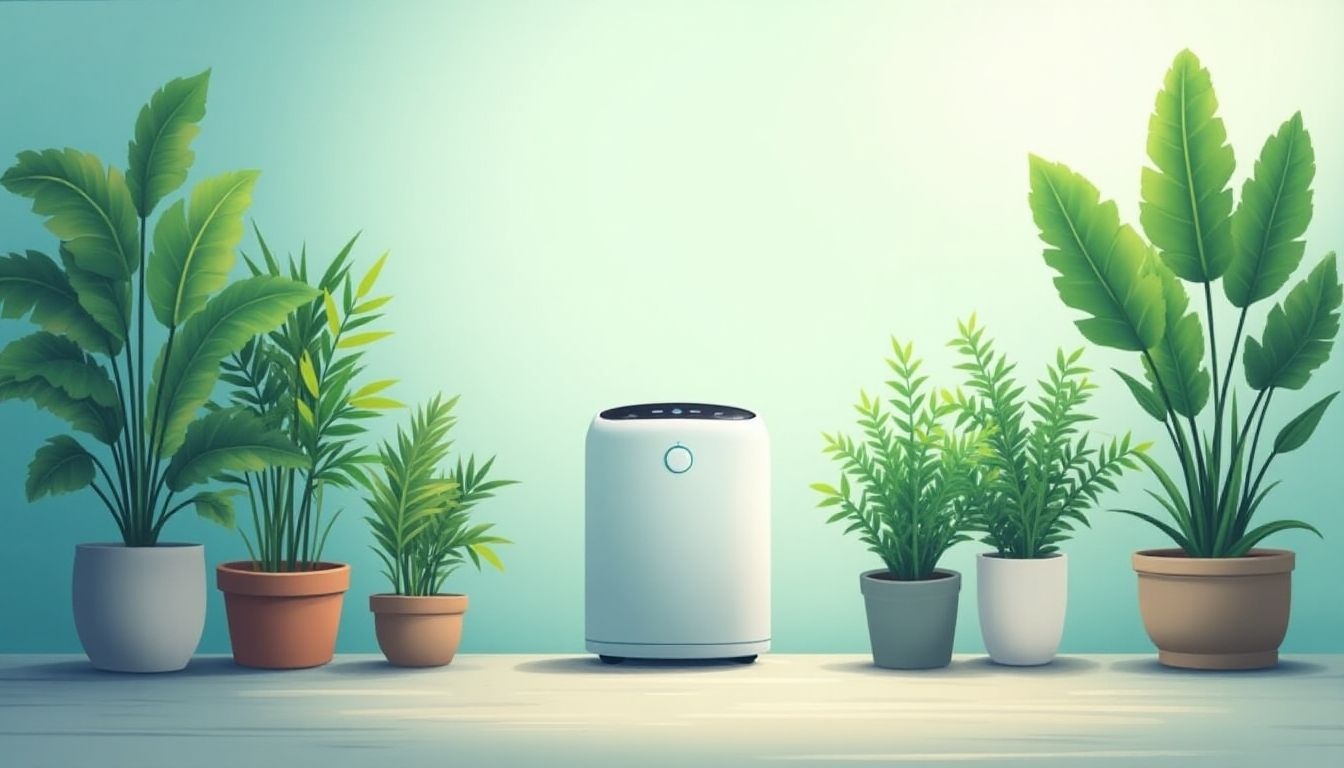
Air purifiers can clean a larger volume of air quickly and efficiently, making them ideal for highly polluted environments. They often come with **filters that remove particulates** and allergens, targeting specific pollutants with specialized filters. However, they require electricity and regular maintenance, such as changing filters. On the other hand, **plants offer natural air** purification but work at a slower rate. They add humidity to the air, which can be particularly beneficial in dry environments. While plants require less maintenance, they still need proper light and water conditions to thrive. Beyond air purification, plants provide psychological and aesthetic benefits, making indoor spaces more pleasant. Combining plants with air purifiers can offer a comprehensive solution for cleaner indoor air, leveraging the strengths of both methods.
## Psychological Benefits of Houseplants
Houseplants offer numerous psychological benefits that can enhance well-being. Studies show that having plants around can **reduce stress and anxiety**, creating a more serene environment. In the workplace, plants have been found to **boost productivity** and spark creativity, making them a valuable addition to any office. The calming presence of plants can lift your mood and foster a sense of peace. Engaging with plants, whether through watering or pruning, provides a sense of accomplishment and purpose, which can be especially therapeutic. Additionally, plants improve indoor aesthetics, making spaces more inviting and pleasant. For those struggling with depression, houseplants offer a connection to nature that can alleviate symptoms. Improved air quality from plants can also lead to better cognitive function and sleep quality, as they increase oxygen levels and humidity. Finally, the presence of plants can encourage social interaction and teamwork, making them beneficial for communal spaces.
## Certification Standards for Indoor Plants
When choosing houseplants to purify your indoor air, certified plants can offer several advantages. Certified plants are typically **grown without harmful pesticides** and chemicals, ensuring they are not only safe for your home but also healthier for the environment. These plants often come with a guarantee that they are free from pests and diseases, which can help maintain the overall health of your indoor garden. Certification can also include the use of organic soil and fertilizers, promoting sustainable growing practices. Additionally, certified plants are often **tested for their air-purifying capabilities**, ensuring they effectively improve indoor air quality. For households with pets or children, certification can guarantee that the plants are non-toxic, providing peace of mind. While certified plants may come at a higher price, the investment is justified by their **guaranteed quality and longevity**. Moreover, these plants may come with specific care instructions to help you maintain them properly. Certification standards can also cover the ethical treatment of workers in plant nurseries, ensuring fair labor practices. For individuals with allergies or sensitivities, certified plants can be a better choice as they are less likely to cause adverse reactions.
## Frequently Asked Questions
#### 1. Can houseplants remove harmful chemicals from the air?
Yes, some houseplants can remove harmful chemicals like formaldehyde and benzene from the air.
#### 2. Do houseplants actually improve air quality or is it a myth?
Houseplants can improve air quality, but the effect is usually minor compared to other ventilation systems.
#### 3. Which houseplants are best for air purification?
Plants like the spider plant, peace lily, and snake plant are known for their air-purifying abilities.
#### 4. How many plants do I need to see an improvement in air quality?
You might need several plants per room to make a noticeable difference in air quality.
#### 5. Are there any drawbacks to using houseplants for air purification?
Some plants can cause allergies, and overwatering can lead to mold growth, which can negatively affect air quality.
TL;DR Indoor air pollution in homes comes from sources like tobacco smoke, cooking, and building materials, emitting pollutants such as VOCs, formaldehyde, and radon. Houseplants can absorb some pollutants, but their impact is limited and slow. NASA’s 1989 study suggested certain plants can remove toxins, but large quantities are needed. Active green walls offer more effective solutions but are costly. Mechanical air purifiers are more efficient than plants but consuming electricity. Plants also provide psychological benefits and can improve indoor aesthetics. Genetically modified plants hold potential for better air purification. Combining plants with air purifiers offers a comprehensive approach to improving air quality. Certified plants ensure safety and effectiveness for indoor use.