
In the dynamic world of social media, Mark Zuckerberg, often referred to as “Mr. Facebook,” stands as a pivotal figure. As the co-founder of Facebook, Zuckerberg has transformed the way we communicate, making it easier for people to stay connected with friends and family by sharing thoughts, photos, and life updates. Beyond changing social interactions, Facebook has fueled business innovation, creating numerous job opportunities and new business models, particularly through its advertising platform. However, the journey hasn’t been without challenges, as Facebook grapples with issues like misinformation and privacy concerns, sparking debates over its impact on mental health and society. Looking ahead, Zuckerberg is keen on steering Facebook into the future by exploring new technologies such as virtual reality, all while striving to maintain its relevance in an ever-evolving digital landscape.
Who is Mr. Facebook?
Mark Zuckerberg, the co-founder and CEO of Facebook, is often dubbed “Mr. Facebook” due to his pivotal role in the social media giant’s creation and growth. Born on May 14, 1984, in White Plains, New York, Zuckerberg was a programming prodigy, developing software from a young age. On February 4, 2004, he launched Facebook from his Harvard dormitory, initially targeting his fellow Harvard students before quickly expanding to other universities. This expansion set the stage for Facebook to become a global platform connecting billions of people. Despite facing legal challenges from fellow Harvard students who accused him of stealing their idea, Zuckerberg’s focus on user experience and connectivity helped him steer Facebook to success. By 2023, he solidified his status as one of the world’s youngest billionaires. Beyond the tech world, Zuckerberg, alongside his wife, Priscilla Chan, is committed to philanthropy through the Chan Zuckerberg Initiative. He has also testified before Congress, addressing concerns about data privacy, showcasing his involvement in broader societal issues.
How Facebook Changed Communication

Credits: prosperity.net
Facebook revolutionized the way people connect by introducing a digital platform that brings friends and family together online. It popularized social networking, allowing users to share status updates, photos, videos, and life events instantly. This platform’s innovation led to the creation of Facebook Messenger, which opened a global avenue for instant messaging. The introduction of the News Feed allowed users to receive personalized content, enhancing their online experience.
Beyond personal connections, Facebook has transformed business engagement by providing a direct channel for companies to interact with customers. It also played a pivotal role in organizing events and groups, making coordination more streamlined. With Facebook Live, users can stream videos in real-time, further enhancing how media is shared and consumed.
Moreover, Facebook has been instrumental in political mobilization and raising awareness through campaigns. Its algorithms significantly influence how news and information are disseminated, impacting public opinion. These features combined have made Facebook an integral part of modern communication.
Facebook’s Role in Business Growth
Facebook has become an essential tool for businesses aiming to grow and connect with customers. One of its key features is targeted advertising, which allows businesses to reach specific demographics and interests. This capability is enhanced by Facebook’s analytics tools, helping businesses understand their audience better and refine their strategies. For small businesses, Facebook Pages offer a platform to increase brand awareness and engage with customers directly. Through Facebook Shops, businesses can sell products directly on the platform, streamlining the purchasing process.
Influencer marketing is another avenue that Facebook supports, connecting brands with potential customers through trusted voices. Businesses can also create groups to build a sense of community and foster customer loyalty. Event promotion becomes straightforward with Facebook Events tools, allowing businesses to reach a wide audience. Facebook’s global reach is unmatched, providing businesses the opportunity to expand into new markets effortlessly. Moreover, Facebook Ads Manager is a powerful tool for optimizing advertising strategies, ensuring businesses get the most out of their ad spend.
In summary, Facebook offers a comprehensive suite of tools and opportunities that are vital for business growth in today’s digital age.
| Feature | Description |
|---|---|
| Targeted Advertising | Provides opportunities for businesses to reach specific audiences |
| Analytics Tools | Helps businesses understand their audience |
| Direct Customer Interaction | Facilitates feedback and interaction between businesses and customers |
| Brand Awareness | Helps small businesses create brand awareness through Facebook Pages |
| Facebook Shops | Allows businesses to sell products directly on the platform |
| Influencer Marketing | Connects brands with potential customers through influencers |
| Community Building | Businesses use Facebook groups to build community and customer loyalty |
| Event Promotion | Simplifies event promotion through Facebook Events tools |
| Global Reach | Helps businesses expand to new markets through Facebook’s extensive reach |
| Ads Manager | Allows businesses to optimize their advertising strategies |
Challenges Facing Facebook Today
Credits: edwardmuldrew.medium.com
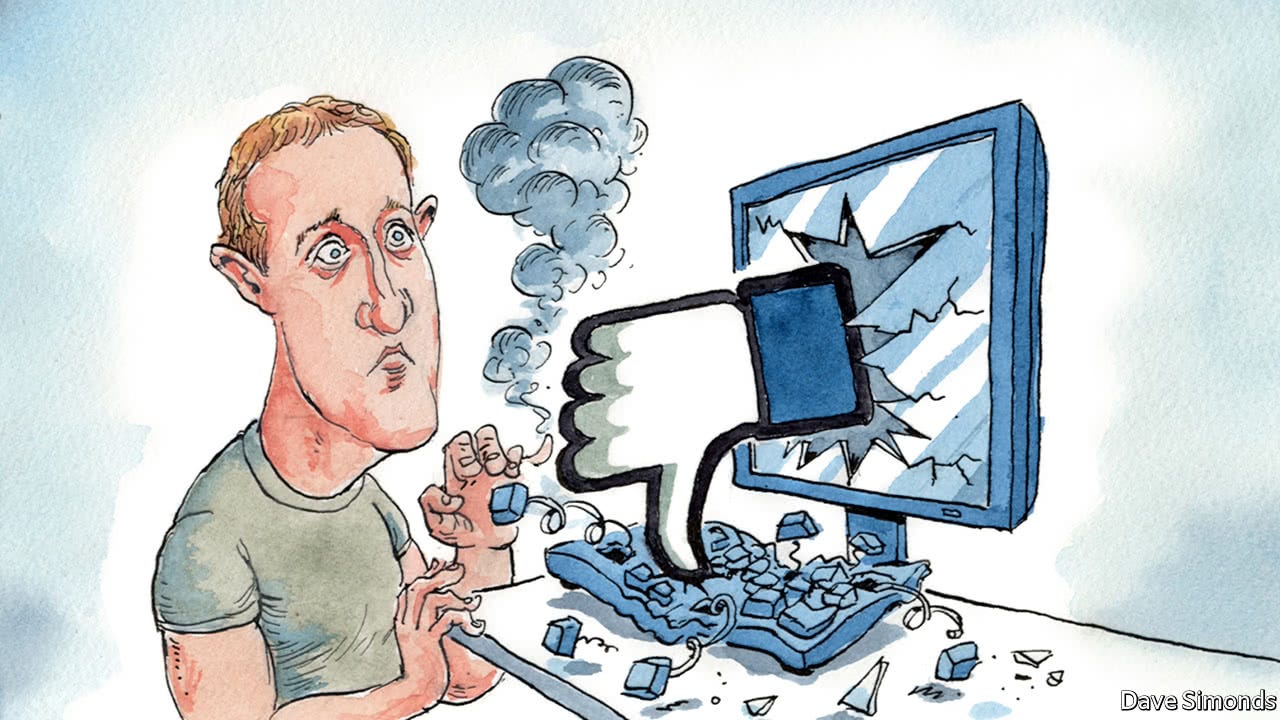
Facebook is tackling several significant challenges in today’s digital landscape. Privacy concerns and data protection issues are at the forefront, as users demand better security for their personal information. The platform is also a battleground for misinformation and fake news, which can spread rapidly and influence public opinion. This issue ties into Facebook’s role in political influence, where its impact on elections and political discourse is scrutinized. The delicate balance between content moderation and free speech continues to spark debate, as Facebook strives to manage harmful content without stifling expression. Antitrust investigations highlight concerns about Facebook’s market dominance, questioning whether it stifles competition. Meanwhile, user engagement faces threats from emerging social media platforms offering innovative experiences. Mental health concerns linked to social media use further complicate its landscape, as studies suggest a connection between usage and mental well-being. To address these issues, Facebook works on enhancing user trust and transparency, aiming to rebuild confidence. Globally, the company must navigate a complex web of regulations, ensuring compliance across different jurisdictions. Despite these challenges, Facebook remains committed to innovation, adapting to technological advances to stay relevant in an ever-evolving digital environment.
- Facebook faces privacy concerns and data protection issues.
- It deals with misinformation and the spread of fake news.
- The platform is under scrutiny for its role in political influence.
- There are ongoing debates about content moderation and free speech.
- Facebook has faced antitrust investigations regarding market dominance.
- User engagement is challenged by competition from other social media platforms.
- The platform needs to address mental health concerns linked to social media use.
- Facebook is working on improving user trust and transparency.
- It faces challenges in ensuring global compliance with diverse regulations.
- The company is continuously innovating to keep up with technological advances.
The Future Vision of Facebook
Credits: linkedin.com

Facebook’s future vision is centered on creating a more immersive and interconnected digital ecosystem. The company is heavily investing in virtual reality (VR) and augmented reality (AR) technologies to expand the metaverse, aiming to redefine how users interact in digital spaces. By integrating artificial intelligence (AI), Facebook is enhancing content management, ensuring users receive relevant and engaging experiences. Acknowledging the growing importance of data protection, the platform is committed to bolstering user privacy and security measures.
Community building remains a core focus, with efforts to foster online engagement and connection. New features in video and live streaming are being explored, offering users more dynamic ways to share and consume content. Accessibility improvements are underway to ensure the platform is inclusive for users with disabilities.
E-commerce is another significant area of expansion, as Facebook looks to streamline shopping experiences within the platform. There is also a push for increased integration with other social media apps, enhancing user connectivity across digital environments. Finally, Facebook is dedicated to corporate responsibility and sustainability, aligning its growth with positive global impact.
Frequently Asked Questions
1. Why do people call Mark Zuckerberg Mr. Facebook?
People call Mark Zuckerberg Mr. Facebook because he co-founded Facebook and has been the face of the company since it started.
2. What does Mr. Facebook do at Meta now?
At Meta, Mr. Facebook, or Mark Zuckerberg, focuses on leading the company, setting its vision, and developing new products and services.
3. How did Mr. Facebook start Facebook?
Mr. Facebook, Mark Zuckerberg, started Facebook from his college dorm room at Harvard in 2004, originally as a social networking site for college students.
4. What are some major contributions of Mr. Facebook to technology?
Mr. Facebook has contributed to technology by advancing social media connectivity, promoting virtual reality, and investing in innovations through Meta.
5. Why did Facebook change its name to Meta under Mr. Facebook’s leadership?
Facebook changed its name to Meta under Mr. Facebook’s leadership to reflect the company’s new focus on building the metaverse and expanding beyond social media.
TL;DR Mark Zuckerberg, co-founder and CEO of Facebook, started the platform in 2004 to connect Harvard students, and it quickly expanded to a global social networking site. Facebook revolutionized communication and business by enabling direct interactions, personalized content delivery, and targeted advertising. It faces privacy, misinformation, and content moderation challenges while exploring innovations in virtual and augmented reality, AI, and e-commerce. The company’s future vision includes building a metaverse, enhancing privacy, and ensuring global compliance.