Training aggressive dogs demands a careful balance of understanding and practical techniques. Aggression can arise from fear, anxiety, or poor socialisation—recognising these triggers is essential for effective training. Comprehensive programmes focus on positive reinforcement, which encourages desirable behaviour by rewarding the dog with treats or praise rather than punishing them. Key strategies include desensitisation to help dogs gradually face their fears and obedience training that fosters leadership between owner and pet. It’s crucial to create a safe environment while providing regular exercise to alleviate stress. Consulting professionals ensures tailored solutions that foster harmonious relationships, enabling lasting behavioural transformation and a happy canine companion.
Understanding Aggression in Dogs
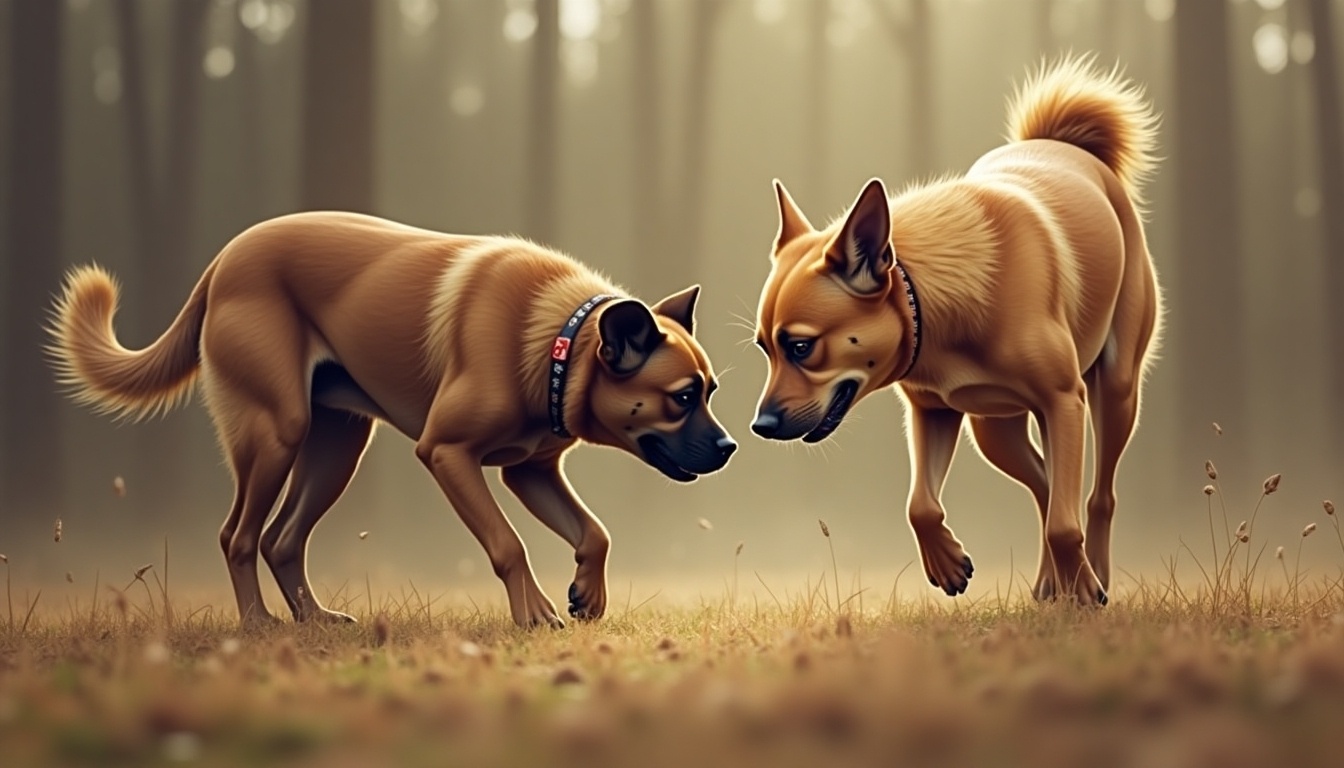
Aggression in dogs can stem from various sources, and understanding these causes is vital for effective training. One common reason is fear; dogs may react aggressively when they feel threatened, often due to past negative experiences or trauma. For example, a dog that was previously attacked may become defensive around other dogs, even if they pose no real threat.
Another contributing factor is lack of socialisation. Dogs that haven’t been exposed to different environments, people, and other animals may react by growling or lunging when faced with unfamiliar situations. For instance, a dog raised in isolation may bark aggressively at strangers or other pets simply because they are unsure how to behave.
Territorial instincts are also significant. Dogs naturally protect their home and family, and this instinct can lead to aggressive behaviour if they perceive a threat. For example, a dog might bark or show aggression towards delivery people or guests who enter their perceived territory.
Recognising these triggers is essential for creating a tailored training plan. Consulting with a veterinarian or a certified dog behaviourist can provide valuable insights into the specific causes of a dog’s aggression, paving the way for a more effective training strategy.
Positive Reinforcement Techniques

Positive reinforcement is central to training aggressive dogs. This method rewards desired behaviours with treats, praise, or play, encouraging dogs to repeat calm and friendly actions. For instance, if a dog sits quietly when meeting a new person, offering a treat reinforces that behaviour. Consistency is key; by regularly rewarding good behaviour, dogs learn to associate positive outcomes with their actions. It’s also important to ignore undesirable behaviours, redirecting the dog’s attention to more positive actions. For example, if a dog begins to growl at another dog, instead of scolding, you can redirect them with a command like “look at me” and reward them for compliance. This creates a more optimistic learning environment, allowing for healthier interactions.
Desensitisation and Counterconditioning

Desensitisation and counterconditioning are vital techniques in addressing aggressive behaviour in dogs. These methods focus on gradually changing a dog’s emotional response to stimuli that trigger aggression. The first step, desensitisation, involves exposing the dog to the trigger at a distance or intensity that does not provoke a reaction. For example, if a dog reacts aggressively to other dogs, the owner might start by observing other dogs from a distance where the dog feels safe. Over time, the distance can be gradually decreased as the dog becomes more comfortable.
Counterconditioning complements this process by creating positive associations with the previously feared or triggering stimulus. This can be achieved by rewarding the dog with treats or praise when it remains calm in the presence of the trigger. For instance, if the dog sees another dog and remains calm, the owner can immediately offer a treat. Over time, the dog learns that the presence of the other dog is not a threat but rather a source of positive experiences. This dual approach, when applied consistently, can lead to significant improvements in the dog’s behaviour and overall confidence.
Obedience Training Essentials
Obedience training is a fundamental aspect of managing aggressive behaviour in dogs. Establishing a clear set of commands helps create structure and enhances communication between the dog and its owner. Basic commands such as “sit,” “stay,” and “come” are essential for gaining control in potentially tense situations. For instance, a dog that knows to “sit” on command can be more easily redirected away from a stressful stimulus, like another dog or a loud noise.
Leash manners are equally important; teaching a dog to walk calmly on a leash can significantly reduce reactivity during walks. Incorporating impulse control commands, such as “leave it” or “wait,” can prevent aggressive responses when the dog encounters triggers. Training sessions should be kept short and positive, ensuring that the dog remains engaged and motivated.
Consistency is key in obedience training; regular practise helps reinforce the commands and builds the dog’s confidence. Owners should aim to integrate these commands into everyday life, making training feel natural rather than forced. For example, asking the dog to sit before feeding or during playtime establishes routine and reinforces good behaviour.
Overall, a solid foundation in obedience training not only aids in managing aggression but also strengthens the bond between the dog and the owner, fostering a more harmonious living environment.
Behaviour Modification Strategies
Addressing specific aggressive behaviours requires targeted behaviour modification techniques. One crucial step is identifying triggers; understanding what situations provoke aggression allows for controlled exposure in safe environments. For example, if a dog reacts aggressively towards other dogs, gradual introductions in a controlled setting can help.
Alternative behaviour training is also essential. Teaching the dog to perform different actions in response to triggers fosters a more positive mindset. For instance, if a dog lunges at another dog, training it to sit and receive a treat instead can redirect its focus. Regular assessment of the behaviour modification plan is vital. As the dog progresses, adjustments may be needed to address new challenges.
- Identify triggers that provoke aggressive behaviour
- Use positive reinforcement to reward calm behaviour
- Implement gradual exposure to stressful stimuli
- Teach alternative behaviours to replace aggression
- Maintain consistency in commands and rewards
- Monitor progress and adjust strategies as needed
- Involve all family members in the training process
Avoiding Punishment in Training
Punishing an aggressive dog can often lead to more harm than good. It can increase the dog’s fear and anxiety, resulting in heightened aggressive responses. Instead of punishment, focus on redirection. For example, if your dog reacts aggressively to another dog, redirect their attention to a toy or treat, rewarding them for calm behaviour. It’s also important to teach the dog the meaning of ‘no’ in a gentle manner, reinforcing acceptable behaviours while maintaining a positive environment for learning. This method helps the dog understand what actions are undesirable without the added stress of punishment.
Creating a Safe Training Environment
When training aggressive dogs, creating a safe training environment is crucial for both the dog and the handler. This involves ensuring that the training space is free from distractions and potential triggers that may provoke aggressive behaviour. For instance, if a dog reacts aggressively to other dogs, training in a quiet area away from other pets can help reduce stress and allow concentration on the training tasks.
Using tools such as leashes and muzzles can also enhance safety during training sessions. A well-fitting muzzle, for example, allows the dog to breathe comfortably while preventing biting. It’s essential to choose a muzzle that is suitable for the dog’s size and breed, ensuring that they can still pant and drink.
Additionally, creating a safe training environment means establishing boundaries. This could include using barriers or gates to limit the dog’s access to certain areas. For example, if a dog tends to become aggressive when approached in a particular room, blocking off that space during training can help focus on more manageable behaviours.
As the dog progresses and shows improvement, it’s vital to gradually reduce these safety measures, which can signify the growing trust and control over their behaviour. This step-by-step approach not only fosters a sense of security for the dog but also builds confidence in their ability to respond positively to training without the need for excessive restraints.
Regular Exercise for Aggressive Dogs
Regular exercise is vital for aggressive dogs as it helps to burn off excess energy and reduce stress levels. Aggressive behaviour can often be exacerbated by pent-up energy, leading to frustration and anxiety. Engaging dogs in daily activities such as long walks, runs, or games of fetch can significantly improve their mood and overall behaviour. For instance, a dog that receives ample exercise is less likely to exhibit aggressive tendencies towards other dogs or people, as they are more relaxed and focused.
Mental stimulation is just as important as physical activity. Interactive toys, puzzle games, and training sessions can keep a dog’s mind engaged, providing an outlet for their natural instincts and curiosity. Activities that require problem-solving skills can help redirect aggressive tendencies into more productive behaviours. For example, teaching a dog to search for hidden treats or toys can channel their energy positively.
Moreover, incorporating socialisation opportunities into exercise routines can also be beneficial. Taking aggressive dogs to controlled environments where they can safely interact with other dogs under supervision allows them to practise social skills and learn appropriate behaviours. However, it is essential to monitor their body language and ensure they are comfortable throughout these interactions. Regular exercise not only helps manage aggression but also fosters a stronger bond between the dog and its owner.
Seeking Professional Help for Aggression
In cases where aggression is severe or persistent, seeking professional help is crucial. Certified trainers or animal behaviourists possess the expertise needed to assess the situation accurately and implement effective training strategies. They can provide a detailed behaviour assessment, identifying specific triggers and suggesting tailored interventions. For instance, if a dog shows aggression towards other dogs during walks, a professional might recommend controlled socialisation sessions in a secure environment. This allows the dog to gradually learn appropriate social behaviours without the risk of escalation. Collaboration between trainers and veterinarians is often beneficial, as it ensures a comprehensive approach that may include medical evaluations to rule out underlying health issues contributing to the aggression. Engaging with professionals not only aids in creating a structured training plan but also offers ongoing support for pet owners as they navigate the complexities of rehabilitating an aggressive dog.
Building Harmony Through Effective Training
Building a harmonious relationship with an aggressive dog involves patience, understanding, and consistent training. Effective training programmes focus on establishing trust between the owner and the dog. For instance, using treats to reward calm behaviour during potentially stressful situations can gradually help the dog feel more secure. A common example is when a dog reacts aggressively to strangers; by rewarding calm behaviour when meeting new people, the dog learns that these encounters can be positive.
Incorporating regular training sessions into daily routines is essential. Short, frequent sessions are often more effective than long, infrequent ones. This helps keep the dog engaged and reduces frustration. For example, practising commands like “sit” or “stay” in a controlled environment allows the dog to learn without the pressure of outside distractions.
Additionally, creating positive experiences during training can be beneficial. For example, if a dog shows signs of aggression towards other dogs, introducing them to calm, well-socialised dogs in a controlled setting can help. By allowing the aggressive dog to observe and interact at their own pace, they can learn to associate other dogs with positive experiences rather than threats.
Finally, providing mental stimulation through puzzles or interactive toys can help reduce aggressive tendencies by alleviating boredom and anxiety. This holistic approach not only addresses aggressive behaviours but also fosters a sense of security and companionship, ultimately leading to a more peaceful home.
Frequently Asked Questions
1. What are aggressive dogs and how can they be trained?
Aggressive dogs may show signs of fear, anxiety, or dominance. Training for these dogs involves understanding their behaviour and using positive reinforcement techniques to teach them acceptable behaviours.
2. Can I effectively train my aggressive dog at home?
Yes, you can train your aggressive dog at home, but it may require guidance from a professional trainer. Consistency, patience, and a calm environment are key components.
3. What techniques are used in training aggressive dogs?
Common techniques include desensitisation, counter-conditioning, and obedience training. These methods help to reduce fear and aggression while building trust.
4. How long does it take to see results from training an aggressive dog?
Results can vary depending on the dog’s temperament and the training method used. Some dogs may show improvement within weeks, while others may take months.
5. Is it safe to train an aggressive dog without professional help?
While some owners can manage training on their own, it’s often safer and more effective to seek help from a professional trainer, especially if the dog poses a risk to others.
TL;DR Training aggressive dogs requires a thoughtful and patient approach, focusing on understanding triggers like fear and territorial instincts. Key strategies include positive reinforcement, desensitisation, and obedience training. Avoid punishment, create a safe environment, and ensure regular exercise to manage aggression. In severe cases, seeking professional help from trainers or behaviourists can facilitate effective rehabilitation. With dedication and tailored methods, owners can build a harmonious relationship with their dogs.