Plague, caused by the bacterium Yersinia pestis, is still a public health issue that can affect people today. There are primarily three forms of plague: bubonic, septicemic, and pneumonic. Bubonic plague presents with sudden fever, headaches, chills, and painful swollen lymph nodes known as buboes. Septicemic plague may develop from untreated cases and leads to high fever and shock. Pneumonic plague is the most severe form with quick onset pneumonia symptoms. Antibiotics like streptomycin or doxycycline are effective if administered early; however, fatality rates can be high without treatment. Prevention through hygiene and cautious handling of potentially infected animals remains critical in managing risks associated with this ancient disease.
Overview of the Plague
 Credits: hosted.lib.uiowa.edu
The plague is an infectious disease caused by the bacterium Yersinia pestis. It is primarily transmitted through bites from infected fleas, contact with contaminated fluids or tissues, or inhalation of respiratory droplets from an infected person or animal. Historically known for its devastating pandemics, the plague remains a public health concern, particularly in rural areas of the western United States and parts of Africa, Asia, and South America. The disease can occur in several forms, with distinct symptoms and transmission methods. Bubonic plague, the most common type, is characterized by swollen lymph nodes, while septicemic plague affects the bloodstream and can lead to severe complications. Pneumonic plague, the most serious form, can spread from person to person through respiratory droplets. Despite its historical reputation, modern medicine offers effective treatments, especially when the disease is diagnosed early.
Understanding Plague Symptoms
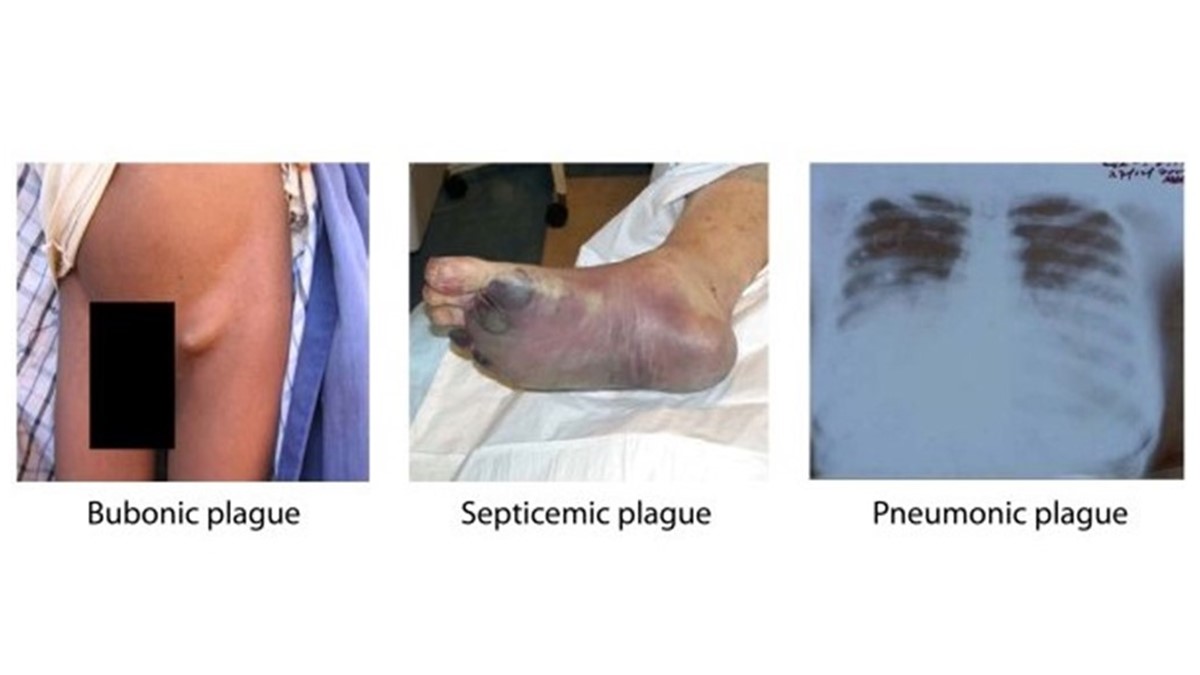
Plague symptoms vary depending on the form of the disease. The most common form, bubonic plague, typically begins with an abrupt onset of fever, chills, and weakness. Patients often notice swollen and painful lymph nodes called buboes, which can become inflamed and filled with pus. Symptoms generally appear within 2 to 8 days after exposure.
Septicemic plague, which can develop from untreated bubonic plague, presents more severe symptoms like high fever, extreme weakness, and abdominal pain. In some cases, it may lead to shock and bleeding into the skin or organs, resulting in tissue necrosis. Symptoms can materialize rapidly, within days of exposure.
Pneumonic plague is the most serious form and can be transmitted between individuals. It typically includes high fever, severe headache, and rapid pneumonia development, characterized by shortness of breath and chest pain. Bloody sputum may also occur, and symptoms can appear as quickly as 1 day after inhalation.
Recognizing these symptoms early and seeking immediate medical attention is crucial, as plague can progress rapidly and can be fatal without prompt treatment.
| Type of Plague | Symptoms | Incubation Period |
|---|---|---|
| Bubonic Plague | Sudden onset of fever, headache, chills, weakness, one or more swollen, painful lymph nodes (buboes) that can become inflamed and filled with pus. | 2 to 8 days after exposure |
| Septicemic Plague | High fever, chills, extreme weakness, abdominal pain, shock, possible bleeding into the skin and other organs, leading to tissue necrosis (blackening of skin). | Rapidly within days of exposure |
| Pneumonic Plague | High fever, severe headache, weakness, rapidly developing pneumonia with shortness of breath, chest pain, cough, sometimes with bloody sputum. | As quickly as 1 day |
Bubonic Plague Symptoms
 Credits: cdc.gov
Bubonic plague is the most common form of the plague, characterized by several distinct symptoms. Patients typically experience a sudden onset of fever, accompanied by chills and a severe headache. Weakness is also common, as the body fights off the infection. The most notable symptom of bubonic plague is the appearance of swollen and painful lymph nodes, known as buboes. These buboes can become inflamed and filled with pus, causing significant discomfort. The incubation period for bubonic plague ranges from 2 to 8 days after exposure, making it crucial for individuals to be aware of these symptoms and seek medical attention promptly if they develop.
Septicemic Plague Symptoms
Septicemic plague is a severe form of plague that can arise either as a primary infection or as a complication of untreated bubonic plague. The symptoms of septicemic plague can develop rapidly, often within a few days of exposure to the Yersinia pestis bacterium. Patients typically present with a high fever and chills, accompanied by extreme weakness that can impair mobility. Abdominal pain is common, and in severe cases, the infection can lead to shock, a critical condition where blood pressure drops dangerously low. One of the most alarming symptoms is the potential for bleeding into the skin and other organs, which may cause areas of necrosis, resulting in blackened skin. This grim symptomatology underscores the urgency of seeking medical attention immediately upon the onset of symptoms, as timely intervention is crucial for survival.
Pneumonic Plague Symptoms
Pneumonic plague is the most severe form of the disease and can spread from person to person through respiratory droplets. Symptoms typically begin with a sudden high fever and severe headache, followed by a rapid onset of pneumonia. Patients may experience shortness of breath, chest pain, and a cough that can produce bloody sputum. These symptoms can develop rapidly, often within one day of exposure, making early recognition crucial. The quick progression of the disease means that without prompt treatment, pneumonic plague can be fatal within 18 to 24 hours. It is essential for anyone exhibiting these symptoms, especially after potential exposure, to seek immediate medical attention.
When to Seek Medical Help
If you experience symptoms that suggest you may have contracted the plague, it is crucial to seek medical help immediately. This includes sudden fever, chills, and swollen lymph nodes, especially if you have been in areas known for plague cases. If respiratory symptoms such as shortness of breath, chest pain, and coughing up blood develop, you should get emergency care without delay. Rapid intervention can significantly improve outcomes, as timely treatment with antibiotics can be life-saving. Don’t hesitate to contact healthcare providers or visit the nearest emergency department if you suspect you might have the plague.
Effective Plague Treatments
 Credits: worldhistory.org
Plague treatment is most effective when initiated early. Antibiotic therapy is the cornerstone of treatment, with options like streptomycin, gentamicin, doxycycline, and ciprofloxacin being commonly used. These antibiotics can effectively eliminate the bacteria Yersinia pestis from the body, significantly reducing the risk of severe complications or death. For example, patients with bubonic plague who receive antibiotics within 24 hours of symptom onset have a much better prognosis than those who delay treatment.
In addition to antibiotics, supportive care plays a crucial role in the management of plague. This includes intravenous fluids to prevent dehydration, oxygen therapy for those experiencing respiratory distress, and close monitoring for any potential complications, such as septic shock or organ failure. In severe cases, patients may require intensive care to stabilize their condition.
Preventive measures are also essential in controlling the spread of plague. This includes public health education on avoiding flea bites and proper handling of potentially infected animals. In areas with known plague risks, health authorities may implement isolation protocols for infected individuals and offer prophylactic antibiotics to those who have been in close contact.
- Antibiotics: The first line of defense against the plague.
- Supportive care: Essential for recovery, including hydration and nutrition.
- Pain management: Use of analgesics to reduce symptoms.
- Hospitalization: In severe cases, specialized treatment may be required.
- Isolation: Important to prevent the spread of infection.
- Monitoring: Regular observation of patient health indicators.
Antibiotic Options for Plague
Antibiotic treatment is crucial for effectively managing plague infections. The first-line antibiotics include streptomycin and gentamicin, which are aminoglycosides and particularly effective against Yersinia pestis. Doxycycline and ciprofloxacin are also commonly used, especially for patients who may have allergies to aminoglycosides or for those who are pregnant. Early diagnosis and treatment can significantly improve outcomes, particularly in cases of pneumonic plague, which can develop rapidly and has a high mortality rate if untreated. For example, studies show that with prompt antibiotic therapy, the mortality rate for bubonic plague can drop to less than 10%. It is essential for healthcare providers to be aware of these options and to act quickly to initiate treatment upon suspicion of plague.
Supportive Care for Plague Patients
Supportive care plays a crucial role in the treatment of plague patients, complementing antibiotic therapy. This care typically includes hydration, which is vital for maintaining electrolyte balance and supporting overall health. Intravenous (IV) fluids may be administered, especially in cases of severe illness where dehydration is a concern. Additionally, patients may require respiratory support, particularly for those suffering from pneumonic plague, where breathing difficulties can become severe. Monitoring for complications is also essential; healthcare providers will keep a close watch for signs of septic shock or organ failure. Pain management is another important aspect, as patients often experience significant discomfort. In some cases, psychological support may be necessary to help patients cope with the stress of illness and hospitalization. Overall, a multidisciplinary approach ensures that all aspects of a patient’s health are addressed while they recover.
Preventive Measures Against Plague
Preventing plague primarily revolves around reducing the risk of exposure to the bacterium Yersinia pestis, which is typically spread through flea bites, direct contact with infected animals, or respiratory droplets from infected individuals. Here are some effective strategies to minimize the risk:
-
Avoiding Flea Bites: Use insect repellent containing DEET on clothing and skin, especially when in areas known to harbor fleas or wild rodents. Keeping your home and surroundings clean can help reduce flea populations.
-
Handling Animals Safely: If you encounter dead animals in endemic areas, avoid direct contact, and report the find to local health authorities. When handling pets, ensure they are flea-free and seek veterinary care if they show signs of illness.
-
Good Hygiene Practices: Wash hands frequently, especially after handling animals or being in potentially contaminated areas. Cooking meat thoroughly can also help prevent transmission.
-
Awareness of Symptoms: Being aware of plague symptoms can facilitate early detection and treatment. Individuals in endemic areas should seek medical attention promptly if they develop symptoms like fever, swollen lymph nodes, or respiratory issues.
-
Public Health Measures: In outbreak situations, local health departments may implement quarantine measures, recommend vaccination for at-risk populations, and provide prophylactic antibiotics to those exposed to the bacteria. Participation in these measures is crucial for community safety.
Current Trends and Statistics for 2024
Despite its historical significance, plague remains a health concern today. In 2024, the average number of reported human plague cases in the United States is around seven each year, primarily found in regions like northern New Mexico, northern Arizona, and southern Colorado. Globally, the annual case count varies from approximately 200 to 700, with many cases likely going unreported, especially in rural areas of Africa, Asia, and South America. The case fatality rates are concerning; untreated bubonic plague can lead to a 30% to 60% fatality rate, while untreated pneumonic plague can be almost universally fatal within days. Awareness and education about the disease’s symptoms and treatments are crucial, as the risk persists even in modern times.
Global Impact of Plague Today
The plague continues to have a global impact, particularly in rural areas where rodent populations thrive. In the United States, states like New Mexico and Colorado report sporadic cases, often linked to outdoor activities or contact with infected animals. Internationally, regions in Africa, Asia, and South America remain at higher risk due to factors like poverty, lack of healthcare access, and environmental conditions that favor the spread of Yersinia pestis. For instance, outbreaks in Madagascar have drawn attention due to their rapid spread and the challenges of controlling it in densely populated areas. Additionally, climate change is influencing the habitats of rodents and fleas, potentially increasing the risk of plague cases. Public health efforts focus on education and prevention, but the threat of plague persists, reminding us that this ancient disease is not yet a relic of the past.
Frequently Asked Questions
1. What are the main symptoms of the plague?
The main symptoms of the plague include fever, chills, weakness, swollen and painful lymph nodes, and a cough. Some people may also have skin sores or develop septicemia.
2. How is the plague treated today?
Today, the plague is treated with antibiotics, which are effective if started early. Hospitals may also provide supportive care, like fluids and oxygen if needed.
3. Can the plague spread from person to person?
Yes, the plague can spread from person to person through respiratory droplets when someone with the pneumonic plague coughs or sneezes, but this is less common than transmission from infected animals.
4. What are the differences between the types of plague?
There are three main types of plague: bubonic, septicemic, and pneumonic. Bubonic is the most common and involves swollen lymph nodes, septicemic affects the blood, and pneumonic affects the lungs.
5. Is there a vaccine for the plague?
Currently, there is no widely available vaccine for the plague, but research is ongoing. For people at high risk, preventive antibiotics may be offered.
TL;DR The plague, caused by Yersinia pestis, remains a public health concern in 2024, particularly in specific regions of the U.S. and parts of Africa, Asia, and South America. It presents as bubonic, septicemic, and pneumonic forms, each with distinct symptoms like fever, swollen lymph nodes, and respiratory issues. Timely antibiotic treatment is crucial for survival, with options such as streptomycin and doxycycline. Prevention includes avoiding flea bites and isolation during outbreaks. In the U.S., an average of seven cases are reported yearly, with global cases ranging from 200 to 700 annually.