
Project MUSE stands out as a crucial online database of scholarly journals and books, especially for those interested in plague history. Since its inception in 1993 through a partnership with Johns Hopkins University Press, the resource has expanded significantly, now offering materials from over 400 academic publishers. Plague history is not just about the disease itself; it’s about understanding its deep impact across society. Researchers can access peer-reviewed articles that examine social implications, medical insights, and historical narratives surrounding instances like the Black Death. Moreover, interdisciplinary content enables rich exploration of how these pandemics continue to influence contemporary health discussions today.
Overview of Project MUSE
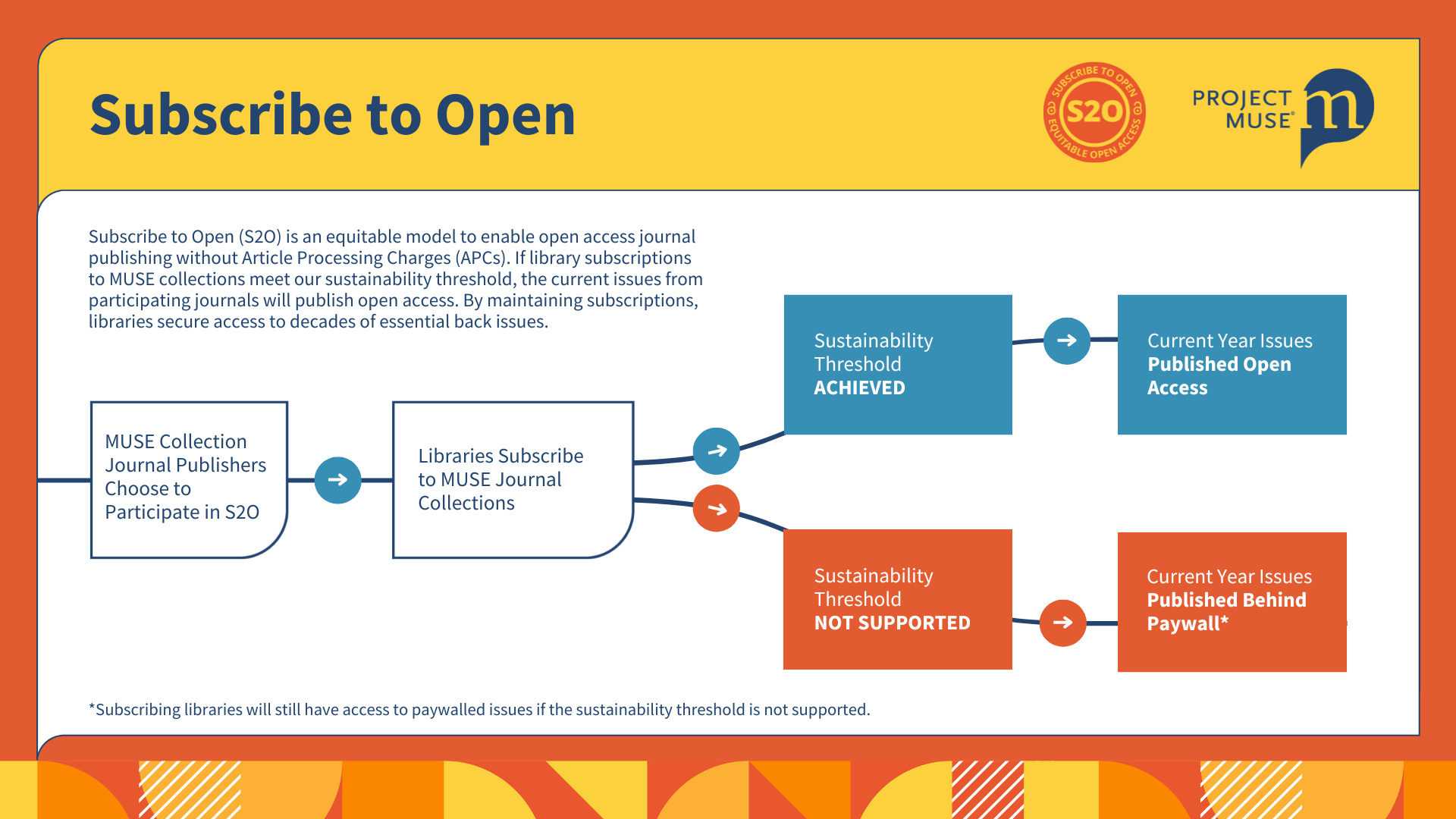 Credits: about.muse.jhu.edu
Project MUSE is a comprehensive online database that provides access to peer-reviewed academic journals and electronic books, primarily in the humanities and social sciences. Established in 1993 through a collaboration between the Johns Hopkins University Press and the Milton S. Eisenhower Library, this platform has expanded to include content from over 400 university presses and scholarly societies. It serves as a vital resource for academic research across various disciplines. Users can find a diverse range of materials, including articles and books that explore historical events, cultural developments, and societal changes, making it a significant tool for researchers interested in topics like plague history.
Historical Context of the Plague
 Credits: npr.org
The plague, driven by the bacterium Yersinia pestis, has significantly shaped human history, marking three major pandemics: the Justinian Plague, the Black Death, and the Third Plague Pandemic. The Black Death, which swept through Europe in the 14th century, is particularly notable, as it resulted in the loss of approximately one-third of the continent’s population. This catastrophic event not only altered demographics but also transformed social structures, economies, and cultural attitudes toward disease and death.
While traditionally thought to be spread by fleas on rats, recent studies have expanded our understanding of the plague’s transmission. It’s now recognized that human body lice and contaminated grain could also contribute to the spread of the disease. This nuanced understanding of the epidemiology is crucial for grasping how the plague influenced societal changes, such as shifts in labor dynamics and the rise of public health measures.
The historical context of the plague is not merely a tale of disease but a narrative that reflects the resilience and adaptability of societies facing crises. For instance, during the Black Death, some communities turned to scapegoating minority groups, believing they were responsible for the outbreak. This highlights the complex interplay between health crises and social tensions, a theme that resonates through subsequent pandemics as well. By examining these historical events, we gain insight into the long-lasting impacts of the plague on human civilization.
Key Plague Pandemics in History
 Credits: en.wikipedia.org
The history of plague pandemics is marked by three significant outbreaks that shaped societies across the globe. The first major pandemic, known as the Justinian Plague, began in the 6th century and is estimated to have killed over 25 million people. Originating in the Byzantine Empire, it spread through trade routes, affecting the Mediterranean and beyond, leading to economic and social upheaval.
The most notorious of these pandemics is the Black Death, which swept through Europe between 1347 and 1351. This catastrophic event resulted in the death of approximately one-third of Europe’s population, causing widespread fear and altering the course of European history. The Black Death led to labor shortages, changes in land ownership, and a shift in social structures, paving the way for the Renaissance.
The Third Plague Pandemic, which began in the mid-19th century, resulted in significant outbreaks in Asia and Europe. It was during this time that the bacterium Yersinia pestis was identified as the causative agent of plague. This pandemic highlighted the importance of public health measures and set the stage for modern epidemiology. Throughout these pandemics, societal responses varied, with some communities turning to scapegoating, while others demonstrated solidarity in the face of adversity. Understanding these key pandemics provides valuable insight into the historical impact of plague on human civilization.
| Pandemic | Years | Impact | Transmission |
|---|---|---|---|
| Justinian Plague | 541–542 AD | 60 million deaths | Fleas on rats |
| Black Death | 1347–1351 | 25 million deaths (1/3 of Europe) | Fleas on rats, human body lice, contaminated grain |
| Third Plague Pandemic | 1852–1860 | 12 million deaths | Fleas on rats, human body lice |
Using Project MUSE for Plague Research
Project MUSE is an invaluable resource for researchers delving into the history of the plague. With its extensive collection of academic articles and books, scholars can explore various dimensions of plague history, from its epidemiology to its social consequences. For example, researchers can access peer-reviewed articles that analyze how the Black Death influenced social structures and led to changes in labor practices across Europe. Additionally, the platform’s interdisciplinary approach allows for a rich examination of the plague’s impact on culture and art, revealing how societies responded to fear and uncertainty through literature and visual media. With open access materials available, researchers can easily share insights and collaborate across disciplines, enhancing the understanding of how historical pandemics inform contemporary public health practices. Moreover, Project MUSE provides essential research tools that help users manage their findings and engage with different scholarly perspectives, making it a critical hub for anyone looking to study the complexities of plague history.
Accessing Scholarly Journals on Plague
Project MUSE provides a robust collection of scholarly journals that are essential for anyone studying the history of the plague. With access to over 800 peer-reviewed journals, researchers can explore a wide range of topics related to the plague, including its societal impacts and medical responses. For example, journals might feature articles analyzing the responses of various communities during the Black Death, highlighting how fear and misinformation led to scapegoating of minority groups.
Furthermore, the interdisciplinary nature of the content allows scholars to connect historical studies with contemporary discussions in public health. Articles that discuss the biological aspects of Yersinia pestis can be found alongside sociological analyses, enabling a holistic understanding of how the plague affected different layers of society. This rich tapestry of information is crucial for comprehensively grasping the multifaceted impacts of this historical pandemic.
For those new to research, Project MUSE also offers user-friendly tools to help navigate its extensive database. Features such as citation management and social bookmarking make it easier for researchers to organize their findings. With many journals now offering open access articles, valuable insights into plague history are readily available, breaking down barriers for researchers regardless of their institutional affiliations.
- Explore key journals specializing in plague studies
- Identify top-rated articles on the impact of the plague
- Assess the historical significance of various plague outbreaks
- Utilize filters to access peer-reviewed research
- Keep track of citation metrics and journal rankings
- Discover open-access options for articles and studies
- Find resources for inter-library loan requests on plague materials
Interdisciplinary Resources on Plague
Project MUSE is an invaluable resource for scholars studying the history of the plague, offering a diverse range of interdisciplinary materials. For instance, researchers can find historical analyses that discuss the societal changes brought about by the Black Death, exploring themes like economic shifts and changes in labor dynamics. Additionally, medical journals on Project MUSE provide insights into the evolving understanding of Yersinia pestis, the bacterium responsible for the plague. These articles often include detailed studies on how the disease spread, its symptoms, and the medical responses of the time.
Moreover, sociological research available on the platform examines the impact of the plague on marginalized communities, highlighting the scapegoating that occurred during pandemics. This intersection of history, sociology, and medicine allows for a comprehensive understanding of the plague’s effects on society. One notable example is the analysis of how fear and misinformation during the Black Death led to the persecution of Jews, illustrating the intersection of health crises with social dynamics.
The accessibility of open access content on Project MUSE further enhances the ability for researchers to collaborate across disciplines. For example, a historian might work alongside a public health researcher to draw parallels between historical data and contemporary health challenges. This collaborative potential underscores the importance of Project MUSE in fostering a holistic view of plague history, making it an essential tool for anyone seeking to understand the complexities of pandemics throughout history.
Open Access Materials for Researchers
Project MUSE has made significant strides in providing open access materials, which are invaluable for researchers studying plague history. This initiative allows scholars to access a variety of high-quality academic articles and books without the usual subscription fees. For example, during the COVID-19 pandemic, many institutions increased their open access offerings to allow broader public engagement with research. This shift has made it easier for researchers to find relevant studies on the social impacts of the Black Death or the medical advancements that emerged in its wake.
The platform’s open access content includes key papers that analyze historical responses to pandemics, such as the public health measures taken during the Black Death. Researchers can explore interdisciplinary articles that connect past pandemics to modern public health strategies, enriching their understanding of how societies adapt in times of crisis. Furthermore, the ability to freely access these materials fosters collaboration among scholars from different fields, encouraging a more holistic approach to studying the implications of plague history.
Research Tools on Project MUSE
Project MUSE offers a variety of research tools that enhance the experience of scholars exploring plague history. One key feature is citation management, which helps users organize and keep track of references for their research projects. This tool is particularly useful when delving into the numerous articles and books available on the platform, allowing researchers to easily compile bibliographies or reference lists.
Social bookmarking is another valuable tool on Project MUSE. Users can save articles and resources of interest, making it easier to revisit critical materials later. This feature is essential for researchers who may want to create themed collections of works related to various aspects of plague history, such as its social impacts or medical advancements.
Additionally, Project MUSE provides RSS feeds that can be customized to deliver updates on new publications relevant to a user’s research focus. For example, a researcher studying the cultural representations of the Black Death can set up alerts for new articles in that area, ensuring they remain informed about the latest scholarship.
These tools streamline the research process, making it more efficient for scholars to engage with the rich content available on Project MUSE. By facilitating better organization and access to information, they support a deeper understanding of the historical narratives surrounding the plague.
Case Studies on Plague and Modern Pandemics
Case studies on plague history offer valuable insights into how societies respond to pandemics and the lasting effects on public health policy. For example, during the Black Death in the 14th century, cities implemented quarantine measures, which are still relevant today. Modern research often draws parallels between historical events and recent pandemics, such as COVID-19. One notable study published on Project MUSE examines the social responses to the Black Death and compares them to community reactions during the COVID-19 crisis. This comparison highlights recurring themes of fear, misinformation, and the scapegoating of vulnerable populations.
Another case study looks into the medical advancements made during the Third Plague Pandemic in the late 19th century, which laid the groundwork for modern epidemiology. Researchers analyze how the understanding of Yersinia pestis and its transmission methods were pivotal in shaping health strategies that are still utilized today.
These studies not only enhance our understanding of past pandemics but also inform current public health practices, illustrating how history can guide modern responses to infectious disease outbreaks.
Current Research Trends Related to Plague
Recent research trends related to plague history reveal a growing interest in the intersection of historical pandemics and contemporary public health issues. Scholars are increasingly examining how the lessons learned from past outbreaks, particularly the Black Death and its social consequences, can inform modern responses to pandemics. For example, studies are looking at how fear and stigma during the Black Death parallel the societal reactions to COVID-19. This comparative analysis not only highlights recurring themes of panic and discrimination but also emphasizes the need for effective communication and community resilience in times of crisis.
Additionally, researchers are exploring the role of digital humanities in studying plague history. By utilizing data visualization and mapping technologies, historians can illustrate the spread of the plague more effectively, providing clearer insights into its impact on different regions and populations. This innovative approach allows for a more engaging understanding of historical data, making it accessible to a wider audience.
Another significant trend is the examination of the plague’s long-term effects on culture and society. Investigations into literature, art, and public health practices from the medieval period show how the trauma of the plague influenced societal norms and artistic expressions. For example, the recurring themes of death and mortality in Renaissance art can be directly traced back to the societal upheaval caused by the plague.
Moreover, interdisciplinary studies combining history, sociology, and epidemiology are becoming more common. This holistic approach facilitates a comprehensive understanding of how historical events shape present-day health policies and societal structures. Such research not only enriches academic discourse but also provides practical insights for contemporary public health strategies.
Frequently Asked Questions
1. What is Project MUSE and how does it relate to plague history?
Project MUSE is an online database that provides access to scholarly articles and books. It includes works on various topics, including historical studies about plagues and their impact on society.
2. Why is it important to study plague history through resources like Project MUSE?
Studying plague history helps us understand past epidemics and their effects on communities. Using resources like Project MUSE gives access to academic research that can provide valuable insights into these events.
3. What kind of materials can I find on Project MUSE regarding plagues?
On Project MUSE, you can find academic articles, books, and essays that discuss different aspects of plague history, including causes, effects, and responses to epidemics.
4. Can I access Project MUSE for free, and are there specific resources about plagues?
Access to Project MUSE is often available through libraries or educational institutions. You can search for specific topics related to plagues within its database to find relevant resources.
5. How has plague history influenced modern public health practices according to Project MUSE?
Research available on Project MUSE shows that lessons learned from plague outbreaks have shaped current public health strategies, including the importance of quarantine and vaccination in managing infectious diseases.
TL;DR Project MUSE is a vital online resource offering access to peer-reviewed journals and books, especially in humanities and social sciences. It provides extensive materials related to plague history, including its societal impacts and medical understanding. Researchers can utilize interdisciplinary resources, open access content, and helpful research tools for deeper exploration of plague pandemics like the Black Death, drawing relevance to modern public health crises. Project MUSE plays a key role in understanding historical pandemics and their influence on contemporary society.