The COVID-19 pandemic has dramatically altered educational systems across the globe, creating unique challenges and opportunities. With over 1.6 billion learners impacted by school closures, many students faced significant inequities in accessing education due to a lack of technology and support at home. Research shows that students lost significant academic ground, particularly in subjects like math and science. This transition also forced educators to adopt innovative online teaching methods, despite many feeling ill-prepared for remote instruction. Moreover, mental health concerns arose among both students and teachers during this tumultuous period, emphasizing the need for systemic change as schools aim to recover and rebuild effectively.
Overview of COVID-19’s Impact on Education
The COVID-19 pandemic triggered an unprecedented shift in educational systems worldwide, affecting not just the way students learn but also the entire framework of education. With schools closing their doors, over 1.6 billion learners were affected, leading to an immediate shift to remote learning. This transition exposed significant disparities in access to technology and educational resources, particularly among low-income families. Many students found themselves without essential devices or reliable internet connections, making it difficult to engage with their studies.
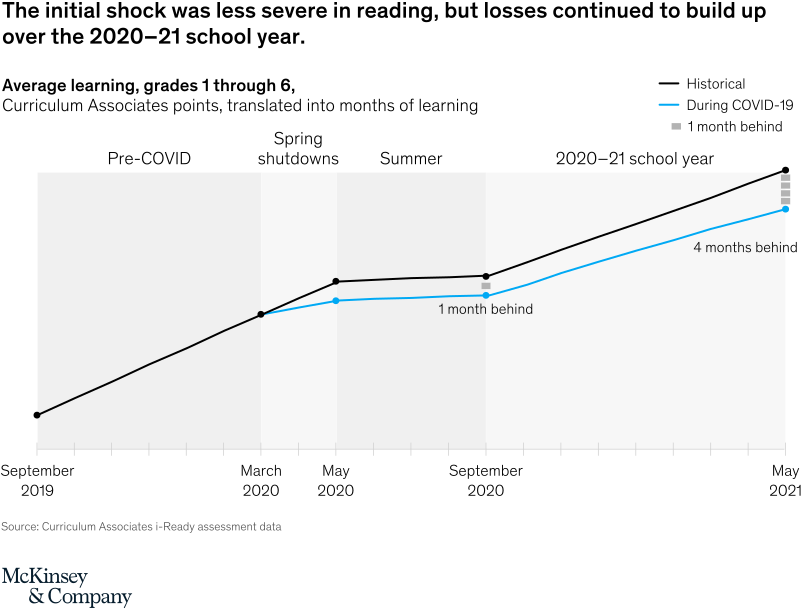
As educators scrambled to adapt, the challenges of providing effective instruction became glaringly apparent. Reports indicated that students experienced substantial learning loss, with some studies estimating an average decline in academic achievement equivalent to half a school year. The effects were felt most acutely in subjects like math and science, where students struggled to grasp concepts without the benefit of in-person support.
Moreover, the pandemic’s impact on mental health cannot be overlooked. Students faced isolation and disrupted routines, which contributed to increased anxiety and stress levels. Schools became more than just places for academic learning; they served as vital support systems for students’ emotional and social well-being. Teachers, too, faced their own set of challenges, grappling with high workloads and the need to develop new skills for effective online teaching. The cumulative effect of these challenges has left a lasting mark on educational systems, highlighting the need for systemic changes to address the inequities laid bare by the pandemic.
Statistics on Learning Loss
 Credits: riseprogramme.org
The COVID-19 pandemic resulted in significant learning loss for students around the world. Research shows that students lost about 0.19 standard deviations in academic achievement, which equates to approximately half a school year (Di Pietro, 2023). A meta-analysis analyzing 39 studies across 19 countries emphasized that the losses were particularly severe in subjects like math and science, highlighting a disparity in learning gaps among different disciplines. In the United States, data from the NWEA indicated that the academic performance of students during the 2023-24 school year still reflected achievement levels that were lower than pre-pandemic trends (NWEA, 2024). Additionally, marginalized groups faced even greater setbacks, indicating that the pandemic has exacerbated existing educational inequalities.
| Country | Average Learning Loss (Standard Deviations) | Equivalent Loss in School Years | Subject Impacted |
|---|---|---|---|
| Global | 0.19 | 0.5 | Math, Science |
| United States | Varied | N/A | Lower Achievement Gains Overall |
Shifts in Teaching Methods
 Credits: edweek.org
The pandemic necessitated a rapid shift to online and hybrid learning models. A significant number of educators were unprepared for this transition, lacking both digital skills and appropriate pedagogical strategies for remote instruction. Many teachers had to quickly learn how to use various digital tools to deliver lessons and assess student progress. Live video classes became commonplace, allowing for real-time interaction, while recorded lessons offered flexibility for students to learn at their own pace. Despite the initial challenges, educators adopted various innovative approaches to engage students, such as interactive online platforms and flipped classroom models. This shift forced teachers to rethink their methods and prioritize student engagement in a virtual environment. The need for adaptability led to increased emphasis on blended learning, which combines online digital media with traditional face-to-face classroom methods. Some educators have reported that this experience has encouraged them to incorporate more technology into their teaching even as schools reopen. For instance, tools like Google Classroom and Zoom became essential for maintaining communication with students and fostering collaboration. As a result, many teachers are now more proficient in digital teaching, something that may benefit their practice long after the pandemic.
Innovations in Remote Learning
The shift to remote learning during the pandemic forced educators to rethink their teaching strategies and adopt new technologies. Many turned to platforms like Zoom, Google Classroom, and Microsoft Teams to facilitate lessons, enabling real-time interaction between teachers and students. Some educators utilized innovative tools like Kahoot and Quizlet to create engaging quizzes and interactive activities, making learning more interactive despite the physical distance. Educators also began implementing flipped classroom models, where students accessed instructional content online before class, allowing for more in-depth discussions and collaborative activities during live sessions. This approach not only promoted student engagement but also fostered a sense of accountability as students prepared for discussions. Additionally, the growth of online resources opened doors for personalized learning, enabling teachers to tailor lessons to individual student needs. Teachers began using learning management systems to track student progress and provide targeted support, helping to address the diverse learning paces and styles within their classrooms. Overall, the pandemic catalyzed a wave of creativity and adaptability, encouraging educators to explore and implement a variety of remote learning strategies that may continue to shape education in the future.
Effects on Students’ Academic Performance
The academic performance of students has been significantly impacted by the disruptions caused by the COVID-19 pandemic. Many students found it challenging to adapt to remote learning environments, leading to disengagement and a lack of motivation. For instance, a study by the National Education Association revealed that a substantial number of students struggled to concentrate during online classes, resulting in diminished learning outcomes. Those from lower-income families faced even greater obstacles, as they often lacked access to reliable internet and appropriate learning resources at home. Consequently, these disparities have widened the existing achievement gaps in education. Research shows that students experienced an average learning loss equivalent to half a school year, particularly in subjects like math and science. This setback not only affects immediate academic performance but also has long-term implications for students’ future educational and career opportunities. As schools work to address these challenges, targeted support and resources will be crucial in helping students recover and thrive in their academic journeys.
Mental Health Challenges for Students
The COVID-19 pandemic has had a profound effect on students’ mental health, with many facing increased levels of anxiety and depression. The abrupt shift to remote learning, combined with isolation from peers, disrupted familiar routines and support systems that are vital for young people’s emotional well-being. A study conducted during the pandemic found that 25% of children reported experiencing significant anxiety, while 20% showed signs of depression (Xie et al., 2020).
Students from disadvantaged backgrounds were particularly vulnerable, as they often lacked access to mental health resources and support at home. The absence of regular social interactions, coupled with the stress of navigating online learning, intensified feelings of loneliness and uncertainty. Schools became aware of the urgent need to address these mental health issues, leading to the implementation of programs aimed at providing emotional support and counseling.
For instance, some schools introduced peer support groups and virtual counseling sessions to help students cope with their feelings. Additionally, educational institutions began to emphasize the importance of social-emotional learning (SEL) in their curricula, recognizing that fostering emotional resilience is crucial for students’ overall development. This shift highlights the need for a more integrated approach that prioritizes mental health alongside academic achievement.
Challenges Faced by Teachers
Teachers encountered numerous challenges during the COVID-19 pandemic that tested their resilience and adaptability. The shift to remote learning required many educators to rapidly learn new technologies and adapt their teaching styles to online formats. This sudden change left many feeling overwhelmed and unprepared, often leading to increased stress and burnout. For instance, a study noted that over 70% of teachers reported feeling anxious about their ability to effectively engage students online.
Additionally, the lack of direct interaction with students created difficulties in assessing understanding and providing immediate feedback. Teachers struggled to maintain classroom management and foster a sense of community in virtual environments. Many also faced challenges in addressing the diverse learning needs of their students, particularly for those who required additional support.
The emotional toll was significant as well, as many teachers reported feeling isolated from their peers and missing the collaborative nature of in-person teaching. The pandemic underscored the importance of professional development and support systems for educators, highlighting the need for ongoing training in digital tools and strategies to effectively reach students in various learning contexts.
- Adapting to new technology
- Managing large virtual classrooms
- Maintaining student engagement online
- Balancing workload and personal life
- Addressing diverse learning needs remotely
- Dealing with inadequate resources and training
- Coping with increased stress and burnout
- Implementing effective assessment methods
Long-Term Implications for Education
The long-term implications of the pandemic on educational systems are profound and complex. One significant concern is the potential for persistent learning deficits among students, particularly those from disadvantaged backgrounds. Research suggests that if these gaps are not addressed, they could hinder students’ academic progress and limit their future opportunities in the workforce. For instance, students who fall behind in foundational skills like reading and math may struggle to catch up, affecting their performance in higher grades and even in higher education.
Furthermore, the pandemic has accelerated the digital divide, highlighting the need for equitable access to technology. Schools are now faced with the challenge of ensuring all students have the necessary tools and internet access for effective learning. Without targeted interventions, these disparities can lead to long-term consequences, including reduced employability and economic mobility for affected students.
Another implication is the shifting role of educators. The reliance on technology during the pandemic has opened up discussions about the future of teaching and learning. Educators may need ongoing professional development to effectively integrate technology into their teaching practices, ensuring they can meet diverse student needs.
Moreover, the focus on mental health has become increasingly important. Schools are now more aware of the emotional needs of students, which can lead to lasting changes in how mental health resources are provided. This shift could foster a more supportive learning environment, but it also requires sustained investment in counseling and support services.
Finally, the pandemic has prompted a reevaluation of educational policies and practices. There may be a push for more flexible learning frameworks that accommodate different learning styles and circumstances. This could lead to innovative approaches, such as personalized learning plans, which recognize that each student’s journey is unique and requires tailored support.
Recovery Strategies for Learning Loss
To address the significant learning loss caused by the pandemic, educational leaders are implementing various recovery strategies. One effective approach is the introduction of targeted tutoring programs. These programs focus on providing individualized support to students, particularly those who have fallen behind. For example, schools are partnering with local colleges to recruit tutors who can offer personalized instruction in subjects where students struggled the most, such as mathematics and reading.
Additionally, summer learning initiatives have become a priority. Many districts are organizing extended summer sessions designed to help students catch up. These programs often include a mix of academic enrichment and recreational activities to keep students engaged. Research shows that students who participate in summer learning programs tend to perform better in the subsequent school year compared to their peers who do not.
Equitable access to technology is another crucial element of recovery strategies. Schools are working to ensure that all students have the devices and internet access they need to succeed. This includes distributing laptops and tablets to students from low-income families and establishing community Wi-Fi hotspots.
Furthermore, data-driven decision-making is being emphasized. Educators are using assessments to identify students at risk of falling behind and tailoring interventions accordingly. This approach allows schools to allocate resources effectively and monitor progress, ensuring that recovery efforts are making a meaningful impact. By focusing on these strategies, educational leaders aim to bridge the gaps created by the pandemic and support all students in their educational journeys.
Systemic Changes Needed in Educational Systems
The COVID-19 pandemic has highlighted the urgent need for systemic changes in educational systems. One of the most significant areas for reform is ensuring equitable access to technology and resources. Many students, especially from low-income families, faced barriers that hindered their ability to participate in remote learning. Schools must prioritize investments in technology infrastructure, providing devices and internet access to all students. For instance, successful initiatives like the “Digital Equity” programs in various states have aimed to close the digital divide by distributing laptops and Wi-Fi hotspots to underserved communities.
Additionally, the pandemic has shown that traditional teaching methods may not effectively engage all learners. Educational institutions should embrace blended learning models that combine online and face-to-face instruction, allowing for greater flexibility and personalization. Teacher training must also evolve to include digital pedagogy, equipping educators with the tools they need to succeed in diverse learning environments.
Moreover, mental health support for students and teachers must become a fundamental part of educational systems. Schools should implement comprehensive mental health programs, providing access to counseling and resources that address the emotional challenges exacerbated by the pandemic. Programs like “SEL (Social and Emotional Learning)” have proven effective in helping students develop resilience and coping strategies.
Finally, ongoing assessment and feedback mechanisms need to be established to monitor student progress and well-being continuously. This data-driven approach can help educators identify learning gaps early and tailor interventions accordingly. By prioritizing these systemic changes, educational systems can better prepare for future disruptions and create more inclusive and effective learning environments.
Frequently Asked Questions
1. How did COVID-19 change the way students learn?
COVID-19 forced schools to switch to online learning, making students use laptops and the internet instead of going to classrooms.
2. What challenges did teachers face during the pandemic?
Teachers had to quickly learn how to teach online and often struggled with technology and keeping students engaged from a distance.
3. Did COVID-19 affect students’ mental health?
Yes, many students felt lonely or anxious because they missed their friends and the routine of going to school.
4. How has the pandemic changed the future of education?
The pandemic highlighted the need for technology in education, so schools are likely to include more online options even after it’s over.
5. What support is available for students struggling with online learning?
Schools have provided extra help like tutoring, mental health resources, and ways for students to connect with teachers and each other.
TL;DR The COVID-19 pandemic significantly impacted global education, leading to over 1.6 billion learners affected by school closures and a noted learning loss averaging half a school year. Educators quickly adapted to online and hybrid teaching methods, though many were unprepared. Students faced academic and mental health challenges, particularly those from disadvantaged backgrounds. Teachers experienced increased stress and burnout, prompting a need for better support. Long-term implications include potential lasting learning deficits, emphasizing the necessity for targeted recovery strategies and systemic change in education systems.