
Throughout history, pandemics have left a deep mark on human civilization, reshaping societies, economies, and health practices. The Athenian plague during the Peloponnesian War led to societal decay and a turn towards hedonism as despair spread. Similarly, the Antonine plague weakened the Roman Empire, suggesting how such outbreaks can influence religion and societal values. The Black Death devastated Europe but also altered labor dynamics significantly. Fast forward to more recent times like the Spanish flu or HIV/AIDS pandemic; each has demonstrated critical lessons in public health strategies, emphasizing quarantine’s role and the necessity of global cooperation to effectively combat such crises in our interconnected world.
Historical Overview of Pandemics
Pandemics have been a recurring theme throughout human history, impacting societies in profound ways. Each pandemic not only took a heavy toll on human life but also reshaped economies, cultures, and even governments. The Athenian plague in ancient Greece, for instance, not only devastated the population but also led to a loss of civic responsibility as fear and despair spread. Similarly, the Antonine Plague weakened the Roman Empire, leading to economic decline and the rise of new religious movements. The Justinian Plague disrupted trade and military operations, highlighting the interconnectedness of societies. The Black Death caused a dramatic shift in labor dynamics and societal structures in Europe, paving the way for the Renaissance. In more recent times, the Spanish flu of 1918 brought about significant advancements in public health measures, emphasizing the need for robust health systems. The ongoing HIV/AIDS crisis has transformed perceptions of illness and health care, while recent outbreaks like SARS and Ebola demonstrated the necessity of global cooperation in handling health crises. Each of these pandemics taught crucial lessons that continue to influence public health responses today.
The Athenian Plague and Its Aftermath
The Athenian plague, which struck Athens between 430 and 426 B.C., was a pivotal moment in history, profoundly affecting the city during the Peloponnesian War. Thucydides, a contemporary historian, provided a detailed account of this outbreak, describing harrowing symptoms such as fever, vomiting, and painful skin lesions. The origins of the plague are believed to trace back to Ethiopia, though the exact cause remains debated. Its impact on Athens was catastrophic, with estimates suggesting that over a quarter of the population perished. This massive loss of life led to a breakdown of social order, where despair and hopelessness prevailed. The once-proud citizens of Athens turned towards hedonism, abandoning civic responsibility as fear gripped the populace. The plague also weakened their military, contributing to eventual defeats in the war. The psychological toll was immense, as many Athenians grappled with the randomness of death, leading to a shift in cultural attitudes. The aftermath of the plague did not just reflect a decline in Athens’s power; it marked a significant turning point in how societies responded to disease, paving the way for future public health practices and the understanding of pandemics.
Impact of the Antonine Plague on Rome
The Antonine Plague, which struck the Roman Empire between 165 and 180 A.D., had a devastating impact that resonated throughout the empire for generations. Estimated to have claimed the lives of up to 5 million people, this outbreak not only caused a significant loss of life but also strained Roman military resources. With fewer soldiers available, the empire faced challenges in defending its extensive borders, leading to increased vulnerability against external threats.
Economically, the plague disrupted trade and agriculture, causing food shortages and inflation. The loss of laborers meant that agricultural production plummeted, contributing to a decline in the standard of living for many Romans. Additionally, the social fabric of Roman society began to fray as families were torn apart and communities struggled to cope with the overwhelming death toll.
On a cultural level, the Antonine Plague catalyzed a spiritual awakening. The suffering and uncertainty prompted many to turn to new belief systems, including early Christianity, which offered hope and community in the face of despair. As a result, this period saw a gradual shift in religious practices that would eventually influence the future of the Roman Empire.
The aftermath of the Antonine Plague left a lasting legacy, highlighting the interconnectedness of health, military strength, and economic stability. It served as a grim reminder of how pandemics can alter the course of history, shaping not just the immediate response but also the long-term transformation of societies.
The Plague of Justinian and Quarantine Measures
The Plague of Justinian, which struck the Byzantine Empire in the 6th century, was one of the first pandemics to implement organized quarantine measures. As the bubonic plague spread rapidly through cities and trade routes, authorities recognized the need to isolate the sick to prevent further contagion. Ships arriving at ports were often kept in isolation for 40 days, a practice known as ‘quarantina,’ derived from the Italian word for forty. This measure was crucial in controlling the spread of the disease, as it allowed time for any potential symptoms to manifest in passengers and crew. The impact of the Justinian plague was catastrophic, with estimates suggesting that up to 25 million people perished. The devastating effects not only strained the empire’s economy but also prompted a more systematic approach to public health. Over time, the lessons learned from this pandemic influenced the establishment of health boards in various cities, laying the groundwork for modern public health practices. These early quarantine measures demonstrated the importance of swift action and isolation in curbing infectious diseases, principles that remain vital in today’s public health responses.
The Black Death: Societal Changes in Europe
 Credits: worldhistory.org
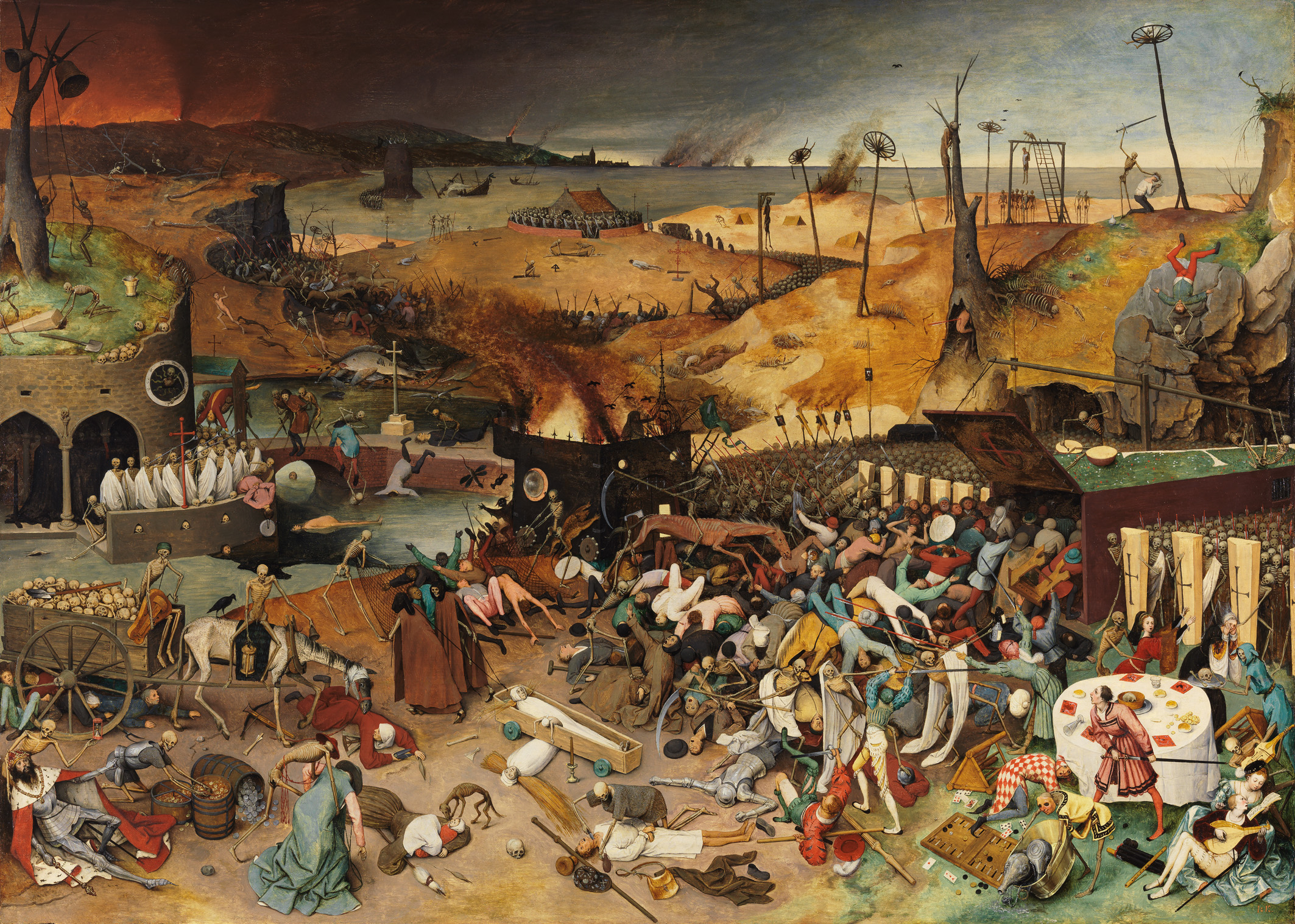
The Black Death, which swept through Europe between 1347 and 1351, stands as one of the deadliest pandemics in history. It decimated the population, killing an estimated 25 million people, or about one-third of Europe’s inhabitants. This catastrophic loss of life led to profound societal changes. With a significant reduction in the workforce, labor became scarce, empowering surviving workers to demand higher wages and better working conditions. This shift marked the beginning of the decline of the feudal system, as landlords had to offer more attractive terms to retain laborers. Additionally, the pandemic instigated a transformation in social structures; as fear and paranoia gripped communities, many turned to religion for solace, fueling a rise in both piety and religious fanaticism. The Black Death also prompted a reevaluation of art, literature, and culture, leading to themes that reflected mortality and the human condition. This period of upheaval eventually paved the way for the Renaissance, as the cultural and intellectual revival sought to address the complexities of life in a post-plague society.
The Spanish Flu and Public Health Lessons
 Credits: pbs.org
The Spanish flu pandemic of 1918-1920 remains one of the most devastating outbreaks in history, infecting roughly a third of the global population and resulting in an estimated 50 million deaths. This pandemic highlighted the critical need for effective public health infrastructure, as many countries were unprepared for the scale of the crisis. Health officials implemented measures such as social distancing, mask mandates, and quarantine protocols, which would later become standard responses to infectious disease outbreaks.
The phenomenon of the cytokine storm, where the immune system overreacts and causes severe damage to healthy tissues, was particularly notable during this outbreak, disproportionately affecting healthy young adults. This led to a re-evaluation of how health systems approach vaccination and treatment. The urgency of the situation spurred advancements in epidemiology and vaccine development, paving the way for future public health innovations.
Furthermore, the Spanish flu emphasized the importance of communication and transparency in public health messaging. Many governments struggled with misinformation and public fear, which hindered effective responses. The lessons learned from this pandemic continue to resonate today, reminding us that preparedness, clear communication, and strong health systems are essential in combating infectious diseases.
The Ongoing HIV/AIDS Crisis
 Credits: nlm.nih.gov
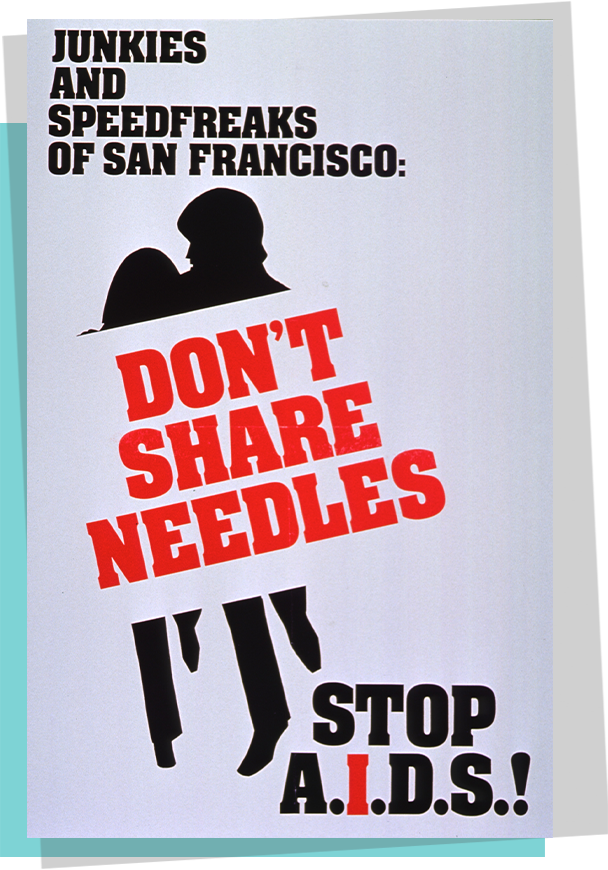
The HIV/AIDS pandemic, which began in the early 1980s, is one of the most significant public health challenges of our time. Initially, the disease was met with fear and stigma, often associated with marginalized groups, particularly the LGBTQ+ community. The lack of understanding led to widespread discrimination and misinformation, hampering effective prevention and treatment efforts. Over the years, however, awareness and knowledge about HIV have drastically improved. The development of antiretroviral therapy (ART) has transformed HIV from a fatal diagnosis into a manageable chronic condition for many, allowing individuals to lead long and healthy lives. Globally, initiatives such as the UNAIDS 90-90-90 targets aim to ensure that by 2020, 90% of people living with HIV know their status, 90% of those diagnosed receive sustained ART, and 90% of those on ART achieve viral suppression. This multifaceted approach not only addresses health outcomes but also emphasizes the importance of education and reducing stigma. Despite the progress made, challenges remain, particularly in resource-limited settings and among key populations at higher risk. The ongoing fight against HIV/AIDS underscores the need for continuous advocacy, research, and global cooperation to combat not only the virus but also the societal barriers that hinder effective public health interventions.
Recent Outbreaks: SARS, Ebola, and COVID-19
In the early 21st century, the world faced significant health crises with the emergence of SARS, Ebola, and COVID-19. The Severe Acute Respiratory Syndrome (SARS) outbreak in 2002-2003 was caused by a novel coronavirus and highlighted the need for swift public health responses. With a case fatality rate of around 10%, SARS spread to multiple countries before being contained through rigorous quarantine and travel restrictions. Similarly, the Ebola virus outbreak in West Africa from 2014 to 2016 revealed the gaps in healthcare systems and the importance of community engagement in managing outbreaks. Ebola, with its high mortality rate, necessitated international collaboration for effective containment and treatment strategies. The ongoing COVID-19 pandemic, triggered by the SARS-CoV-2 virus in late 2019, has had an unprecedented global impact. It has emphasized the critical need for global cooperation in health surveillance and response. The rapid development of vaccines showcased what can be achieved through scientific collaboration, but it also revealed disparities in vaccine access and healthcare infrastructure worldwide. These recent outbreaks serve as a stark reminder of the lessons learned from historical pandemics, reinforcing the importance of preparedness, transparency, and the integration of public health measures to combat future health crises.
Key Lessons from Historical Pandemics
Historical pandemics have taught us valuable lessons that continue to shape our responses to infectious diseases. One critical lesson is the importance of quarantine and isolation. For example, during the Black Death, quarantining ships and affected individuals proved effective in reducing transmission. This practice has evolved into modern public health protocols that emphasize isolating those who are sick to prevent outbreaks.
Another significant takeaway is the necessity of a strong public health infrastructure. The Spanish flu pandemic underscored the need for better surveillance and rapid response systems. Countries with well-established health systems could manage the crisis more effectively, highlighting the importance of preparedness.
Global cooperation emerged as a vital aspect of combating pandemics. The COVID-19 pandemic reinforced this lesson, as countries had to work together to share information and resources. The interconnectedness of our world means that no country can tackle a pandemic alone.
Addressing stigma is also crucial. The initial response to HIV/AIDS was marred by stigmatization, which complicated treatment and prevention efforts. Learning to combat stigma helps ensure that affected populations receive the support they need without discrimination.
Finally, the need for ongoing research and innovation cannot be overstated. The rapid development of vaccines for COVID-19 demonstrated the potential for scientific advancement when resources are prioritized. Investing in research today prepares us for the challenges of tomorrow.
- Importance of early detection and response
- The role of public health infrastructure in managing outbreaks
- Effective communication strategies to keep the public informed
- Societal resilience and adaptability in the face of crises
- The necessity of international collaboration and support
- Lessons on vaccine development and distribution
- Psychological impacts of pandemics on communities
- Recognizing the importance of research and data in decision-making
Frequently Asked Questions
1. What were some major pandemics in history?
Some major pandemics in history include the Black Death in the 14th century, the Spanish flu in 1918, and the H1N1 virus in 2009.
2. How did pandemics affect society in the past?
Pandemics have led to changes in daily life, healthcare improvements, economic shifts, and even changes in government policies.
3. What were the causes of historical pandemics?
Historical pandemics were often caused by bacteria or viruses that spread quickly due to trade, travel, and crowded living conditions.
4. How did people respond to pandemics in history?
People responded to pandemics with quarantines, changes in hygiene practices, and the establishment of public health measures to control the spread.
5. What lessons can we learn from historical pandemics?
We can learn the importance of preparedness, effective communication, and the value of science in combating disease outbreaks.
TL;DR This blog post explores the impact of historical pandemics on society, from the Athenian Plague to COVID-19. Each pandemic shaped public health practices, economies, and social structures, emphasizing the importance of quarantine, robust public health systems, global cooperation, and addressing stigma. Key lessons from these events highlight the need for ongoing preparation and innovation in the face of future outbreaks.