In the constantly changing landscape of technology, selecting the right laptop for coding is essential for developers aiming to boost their productivity and efficiency. For both seasoned programmers and those just starting out, having a dependable machine can truly make a significant difference. Among the top contenders in 2023, we highlight four leading options, starting with the Apple MacBook Air M1. This device has kept its position as a favourite among developers due to its remarkable performance and sleek aesthetics since its release in late 2020. The M1 chip’s integration of an 8-core CPU and GPU ensures smooth handling of intensive tasks like multitasking across development environments. Additionally, it boasts up to 18 hours of battery life – perfect for extended work sessions without frequent recharging – while weighing just 2.8 pounds makes it exceedingly portable for users on the go. Following this is the Dell XPS 13 which stands out because of its compact design coupled with powerful Intel Core i7 processors that support vigorous programming duties; not to mention its nearly borderless display that enhances focus and productivity significantly. Next up is the Lenovo ThinkPad X1 Carbon (Gen 9), known for not just durability but also for having a legendary keyboard which many coders rave about due to its comfortable layout – truly important for anyone who types extensively during long coding marathons! Lastly, there’s also the Microsoft Surface Laptop 4 offering both Intel and AMD Ryzen processor choices alongside a vibrant touchscreen display that adds interactivity into any workflow encounter while still providing long battery longevity throughout one’s working day or evening. Ultimately, choosing amongst these distinguished models hinges upon individual preferences as well as specific coding requirements; however, it’s clear that each offers an enticing mixture of power and portability ideal for enhancing developer efficacy in this year ahead!
1. Apple MacBook Air M1
The Apple MacBook Air M1 stands out as a top choice for coding enthusiasts seeking performance and efficiency. Powered by the M1 chip with an 8-core CPU and GPU, it ensures smooth coding experiences even when multitasking. Its impressive battery life of up to 18 hours allows developers to work uninterrupted for extended periods. Weighing just 2.8 pounds, this laptop is highly portable, making it ideal for those who are always on the move.
The 13.3-inch Retina display offers crisp and clear visuals, essential for lengthy coding sessions. Its sleek and minimalist design appeals to the modern developer, while the unified memory architecture significantly boosts performance. The fast SSD storage guarantees quick access to all your files, enhancing productivity. Furthermore, its fanless design ensures silent operation, allowing you to focus on your work without distractions.
Running on macOS, it integrates seamlessly with various development tools, providing a smooth user experience. Additionally, the laptop’s eco-friendly construction, using recycled materials, makes it a suitable choice for environmentally conscious users.
2. Dell XPS 13
The Dell XPS 13 is an exceptional choice for coding enthusiasts and professionals alike. Featuring the latest Intel Core i7 processor, it ensures reliable performance for even the most demanding development tasks. Its InfinityEdge display provides an immersive viewing experience, which is ideal when working on intricate coding projects or enjoying some relaxation time. The laptop’s build quality is exemplary, with an aluminium chassis and carbon fibre interior that promise durability. This makes it a robust option for those who need a machine capable of withstanding daily use.
The Dell XPS 13 boasts a long-lasting battery, allowing for prolonged work sessions without the constant need for recharging—an essential feature for coders who often work on the move. The keyboard offers a comfortable typing experience, complete with backlit keys to facilitate coding in dimly lit environments.
In terms of connectivity, the XPS 13 is equipped with USB-C and Thunderbolt 4 ports, ensuring fast data transfer and the ability to connect to a variety of peripherals. Its lightweight design enhances portability, making it easy to carry between workspaces or meetings. While the integrated graphics are sufficient for most development tasks, they may not support high-end gaming or graphics-intensive applications.
Additional features include a high-quality webcam, perfect for video conferencing, and enhanced audio for clear sound, ensuring your communication is always top-notch. All these elements make the Dell XPS 13 a commendable choice for those in the coding field.
| Feature | Details |
|---|---|
| Processor | Latest Intel Core i7 for reliable performance. |
| Display | InfinityEdge display for immersive viewing. |
| Build Quality | Aluminium chassis with carbon fibre interior for durability. |
| Battery Life | Long-lasting battery for prolonged use. |
| Keyboard | Comfortable typing experience with backlit keys. |
| Port Options | Includes USB-C and Thunderbolt 4 ports. |
| Weight | Lightweight design facilitates mobility. |
| Graphics | Integrated graphics suitable for development tasks. |
| Webcam | High-quality webcam for video calls. |
| Audio | Enhanced audio quality for clear sound. |
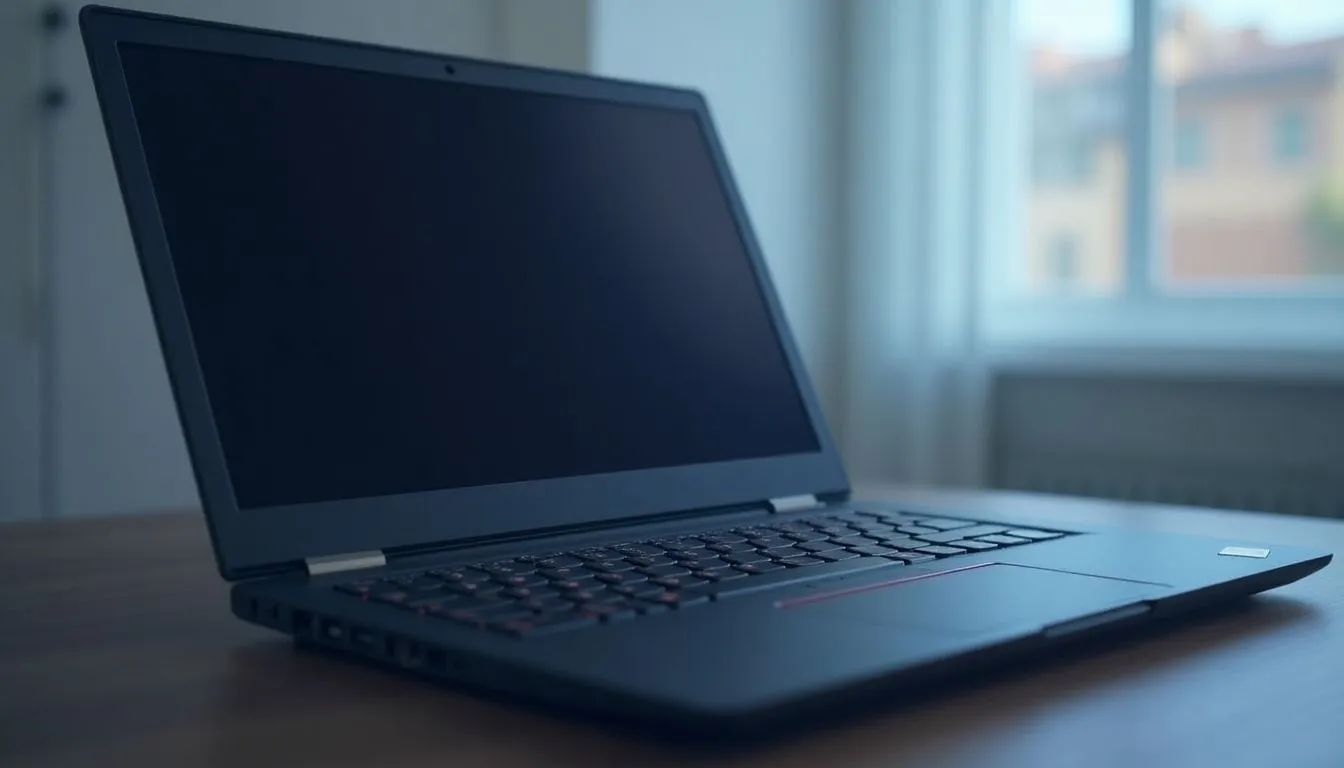
3. Lenovo ThinkPad X1 Carbon (Gen 9)
The Lenovo ThinkPad X1 Carbon (Gen 9) stands out with its impressive performance thanks to the 11th Gen Intel processors, making it ideal for coding tasks. Its keyboard is highly praised for its tactile feedback and ergonomic design, ensuring comfort during long typing sessions. Weighing very little, it offers exceptional portability for those who travel frequently, while its robust construction with a carbon fibre reinforced chassis ensures durability.
Security is a key feature, with the inclusion of a fingerprint reader and facial recognition, providing peace of mind for your digital workspace. The high-resolution display offers clear and detailed visuals, which is crucial for developers who need to pore over lines of code.
Additionally, the battery life is reliable, supporting extended coding sessions without the need for constant recharging. With Wi-Fi 6 support, you can enjoy fast and stable internet connectivity. The Dolby Atmos speaker system adds to the experience with immersive sound quality, whether you’re listening to music or joining a virtual meeting. Furthermore, the ThinkPad X1 Carbon is designed with serviceability in mind, making it easy to upgrade and repair, ensuring longevity and adaptability.
4. Microsoft Surface Laptop 4
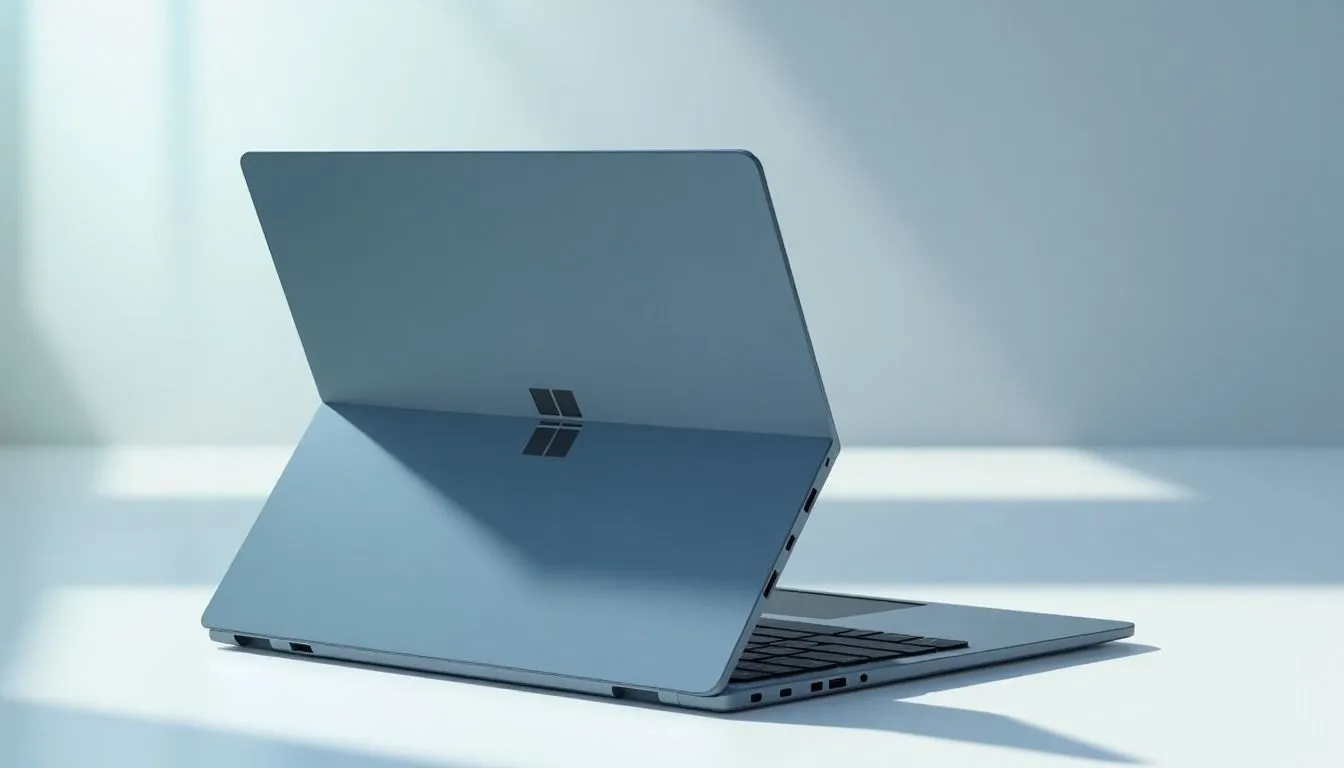
The Microsoft Surface Laptop 4 stands out with its choice of Intel or AMD Ryzen processors, allowing users to select the performance that suits their coding needs. The interactive PixelSense touchscreen display offers an engaging experience, making tasks more intuitive. Its elegant design features Alcantara fabric, providing a premium feel and a touch of luxury. With impressive battery life, it supports long coding sessions without the need for constant charging.
Portability is a key advantage, as this laptop is both lightweight and thin, ideal for coders on the move. The Omnisonic speakers with Dolby Audio ensure high-quality sound, perfect for virtual meetings or enjoying music during breaks. The backlit keyboard offers a comfortable typing experience, even in low-light conditions.
For those who prefer additional input options, the Surface Laptop 4 is compatible with the Surface Pen, allowing for more versatile use. Connectivity is well catered for with both USB-C and USB-A ports, ensuring compatibility with a range of devices. Available in various colours, it allows users to express their personal style while maintaining a professional appearance.
Frequently Asked Questions
1. What features make a laptop good for coding?
A good coding laptop should have a powerful processor, sufficient RAM (at least 8GB), a comfortable keyboard, and a screen with good resolution. An SSD can improve performance, and a graphics card is useful if you’re into graphics-heavy development.
2. Is it important for a programming laptop to have a long battery life?
Yes, long battery life is important, especially if you need to code on the move. This helps you work without constantly being tethered to a power source.
3. Does the operating system of the laptop matter for coding?
The operating system can matter depending on what you’re coding. Linux is popular among developers, but certain languages and tools may prefer Windows or macOS. Choose an OS that supports the software you will use.
4. How much RAM do I need in a laptop for programming?
A laptop with at least 8GB of RAM is usually enough for most development tasks. However, if you’re working on complex projects or running virtual machines, you might need 16GB or more.
5. Do I need a dedicated graphics card for coding?
For most coding tasks, a dedicated graphics card is not necessary. However, if you are developing games or working with graphics-intensive applications, a good GPU can be beneficial.
TL;DR The blog post explores four top laptops for coding enthusiasts: the Apple MacBook Air M1, the Dell XPS 13, the Lenovo ThinkPad X1 Carbon (Gen 9), and the Microsoft Surface Laptop 4. The MacBook Air M1 is highlighted for its powerful M1 chip, impressive battery life, and eco-friendly design. The Dell XPS 13 stands out with its latest Intel Core i7 processor, InfinityEdge display, and premium build quality. The Lenovo ThinkPad X1 Carbon is praised for its 11th Gen Intel processors, ergonomic keyboard, and robust construction, making it ideal for frequent travellers. Lastly, the Microsoft Surface Laptop 4 offers flexible processor options, a sleek design, and compatibility with the Surface Pen, catering to those who value style and functionality. Each of these laptops showcases unique features that enhance coding productivity while offering portability and long battery life.