
Conducting keyword research like a pro starts with understanding your audience. You need to figure out who they are and what information they seek. Next, initiate your research with seed keywords that summarize your business focus. Utilizing tools like Moz Keyword Explorer and Google Trends can help reveal valuable data about search volumes and trends. Pay attention to competition; targeting long-tail keywords may yield better conversions despite lower traffic. Analyze the intent behind each keyword since that guides content creation, meeting user needs effectively. Regularly adapt your strategy based on results and seasonal shifts to keep improving visibility in search engines over time.
1. Understand Your Audience
 Credits: venngage.com
To conduct keyword research effectively, start by getting to know who your audience is. Think about their demographics, interests, and pain points. What problems are they trying to solve? Understanding their needs helps you identify the keywords they might use in search engines. For example, if you’re running a fitness blog, your audience may be looking for terms like “home workout routines” or “healthy meal plans.”
Additionally, consider their search behaviors. Are they looking for quick solutions or in-depth guides? Asking questions like these can clarify what content would resonate with them. Look into seasonal trends as well; for instance, searches for “summer fitness tips” may spike in the spring. Regional preferences also matter—keywords can vary significantly between locations, so adjust your strategy accordingly.
2. Conduct Preliminary Research
 Credits: relevantinsights.com
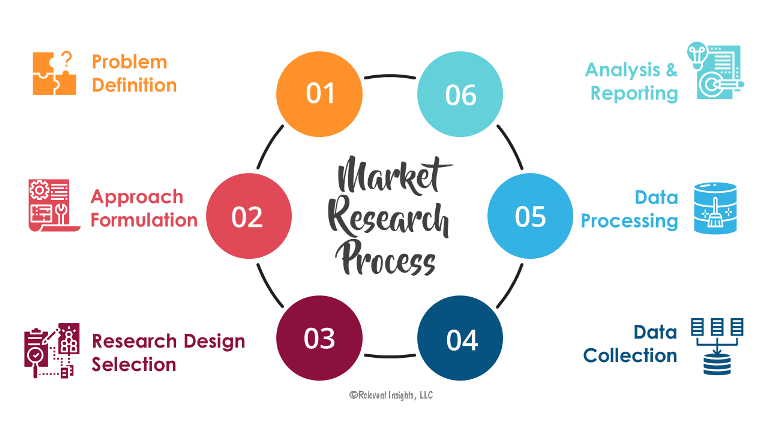
To kick off your keyword research, begin with seed keywords that encapsulate the essence of your products, services, or the topics you want to cover. These seed keywords serve as the foundation for your research. Once you have them in hand, tap into various keyword research tools to uncover a treasure trove of related keywords and their search volumes. For instance, if you run a bakery, your seed keyword might be “artisan bread.” From there, tools like Google Keyword Planner or Moz Keyword Explorer can help you discover variations such as “sourdough bread recipe” or “gluten-free artisan bread,” along with their search metrics.
This stage is crucial as it helps you understand the landscape of keywords available to you. Look for keywords that not only relate to your business but also have a decent search volume. This preliminary research phase sets the stage for deeper exploration into your keyword strategy, enabling you to identify which keywords are worth targeting.
3. Utilize Keyword Research Tools
 Credits: zapier.com
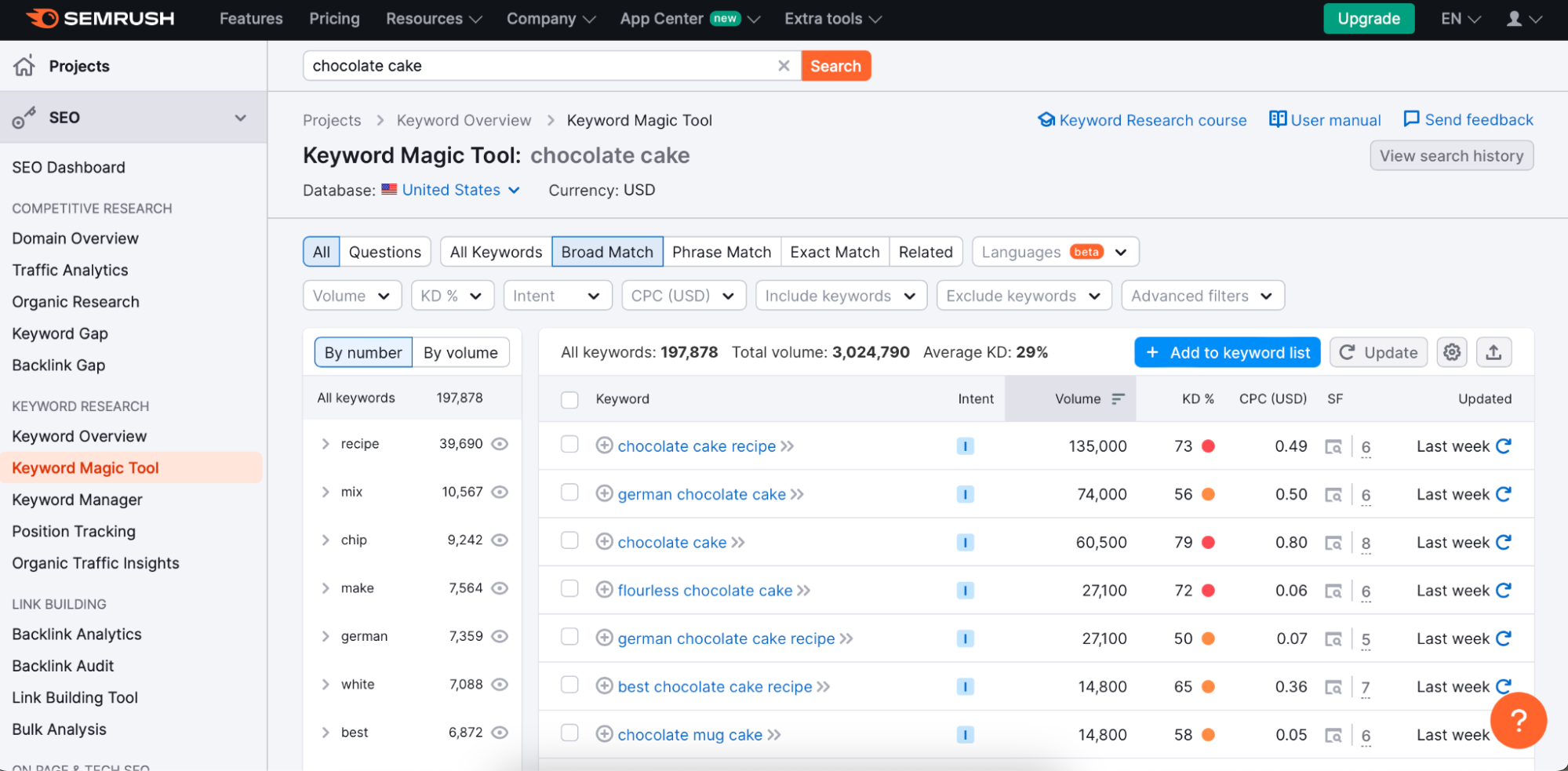
Keyword research tools are essential for digging deep into the vast world of search queries. Tools like Moz Keyword Explorer give you valuable insights into monthly search volumes and keyword difficulty, helping you determine which keywords are worth your time. Google Keyword Planner is another go-to; while it provides a broad overview of search volumes, keep in mind that it often presents data in ranges which can be less precise. Google Trends can assist you in spotting seasonal changes in keyword popularity, allowing for timely content updates.
AnswerThePublic is a unique tool that generates questions related to your keywords, giving you content ideas that align with what users are actually asking. SpyFu stands out for competitive analysis, revealing which keywords your competitors rank for and where you might find gaps to exploit. By leveraging these tools, you can gather comprehensive data that shapes your keyword strategy, ensuring you’re targeting the right phrases that can drive traffic and engagement.
| Tool Name | Features | Best Use Case |
|---|---|---|
| Moz Keyword Explorer | Insights into monthly search volume, keyword difficulty, and SERP features. | Analyzing keyword viability and competitiveness. |
| Google Keyword Planner | Overview of search volume, but may group keywords into ranges. | Gauging potential traffic for broad topics. |
| Google Trends | Identifies seasonal fluctuations in keyword popularity. | Planning for seasonal content. |
| AnswerThePublic | Generates commonly searched questions related to keywords. | Understanding audience questions and needs. |
| SpyFu | Provides competitive keyword data and insights. | Identifying keyword opportunities within competitor strategies. |
4. Analyze Search Volume and Competition
When analyzing search volume and competition, it’s crucial to understand the relationship between the two. Typically, keywords with high search volumes attract more competition, making it challenging to rank for them. For instance, a keyword like “running shoes” might have thousands of searches per month but could be dominated by major brands. In contrast, a long-tail keyword such as “best running shoes for flat feet” may have lower search volume but can yield higher conversion rates due to its specificity.
To navigate this landscape, use keyword research tools to get a clearer picture of both metrics. Tools like Moz Keyword Explorer can provide you with a keyword difficulty score alongside search volume, helping you assess whether a keyword is worth pursuing.
Additionally, look for keywords with moderate search volumes that have lower competition. These can be golden opportunities to capture niche audiences who are genuinely interested in what you offer. For example, if your site sells sports gear, consider targeting keywords like “affordable sports gear for beginners” instead of more generic terms. This approach not only improves your chances of ranking higher but also attracts more qualified traffic.
5. Diversification of Keywords
Diversifying your keywords is crucial for maximizing your website’s visibility. Individual pages are optimized for specific keywords, not your entire site. This means you should aim to target a range of keywords across different pages. For instance, if you run a bakery, instead of just focusing on “chocolate cake,” consider targeting related keywords like “gluten-free chocolate cake,” “vegan dessert recipes,” and “best bakeries near me.” This not only increases the chances of attracting diverse traffic but also allows you to cater to various customer needs and preferences. By optimizing multiple pages for different keywords, you enhance your overall SEO strategy and create a more comprehensive online presence.
- Use long-tail keywords to target specific search queries.
- Include synonyms and related terms to broaden reach.
- Leverage different keyword types, such as transactional, informational, and navigational keywords.
- Experiment with local keywords to capture regional traffic.
- Focus on seasonal keywords that may capture temporary trends.
- Incorporate question-based keywords to attract users seeking specific answers.
- Regularly update your keyword list to keep it fresh and relevant.
6. Identify Search Intent
Understanding search intent is crucial for effective keyword research. Start by categorizing keywords into different types of intent: informational, navigational, transactional, commercial investigation, and local queries. For example, someone searching for “how to bake a cake” is likely looking for information, while a search for “buy chocolate cake online” indicates a transactional intent.
Analyze the Search Engine Results Pages (SERPs) for your target keywords to see what types of content rank well. Are there blog posts, product pages, or videos? This can give you a clear picture of what users expect to find. If you notice that most results for a keyword are articles, but your goal is to sell a product, you might need to rethink your strategy. Matching your content to search intent not only improves your chances of ranking but also enhances user satisfaction.
7. Assess Competitors
To effectively assess your competitors, start by identifying the top players in your niche. Use tools like SEMrush or Ahrefs to see which keywords they rank for. Look for gaps—keywords they aren’t targeting or content areas where they lack depth. For example, if a competitor ranks well for “best eco-friendly products” but doesn’t cover specific categories like “eco-friendly kitchenware,” you could create a targeted article around that. Additionally, analyze their content strategy: what type of content do they publish? How often do they update it? This can give you insights into content gaps you can exploit. Remember, the goal isn’t just to replicate what they do but to find unique angles that resonate with your audience while tapping into underutilized keywords.
8. Create Content That Satisfies User Intent
Creating content that meets user intent is crucial for effective keyword research. Start by understanding the type of content users are looking for when they search specific keywords. For instance, if users are searching for “how to train a dog,” they likely want comprehensive guides or video tutorials, not just a list of dog breeds. Tailor your content format accordingly; consider using articles, videos, infographics, or FAQs based on what appears in the search results for those keywords.
Additionally, keep an eye on the Search Engine Results Pages (SERPs) to see how Google presents information for your target keywords. If you notice that featured snippets or video carousels dominate the results, it might be worth creating content that fits those formats. Regularly updating your content to reflect changes in user expectations and search trends will also help maintain its relevance and effectiveness.
9. Leverage Seasonal and Regional Insights
Understanding the impact of seasonal and regional trends can significantly enhance your keyword research strategy. Seasonal keywords, such as “Halloween costumes” or “summer vacations,” have predictable spikes in search volume during specific times of the year. By identifying these trends using tools like Google Trends, you can create and optimize content ahead of time, ensuring you’re ready to capture traffic when interest surges.
Moreover, regional variations in search behavior can affect the keywords you target. For instance, a term like “soda” may be more commonly used in some areas, while others might prefer “pop.” Tailoring your keyword strategy to reflect local preferences can improve relevance and engagement. To effectively leverage these insights, consider preparing content that resonates with seasonal themes or regional interests, ensuring your website remains aligned with what users are actively searching for.
10. Continuous Monitoring and Adaptation
To stay competitive, it’s crucial to continuously monitor your keyword performance and adapt your strategy as needed. Use tools like Google Analytics to track how well your keywords are performing and adjust your content based on the data you gather. For instance, if you notice that certain keywords are driving traffic but not conversions, consider revising your content to better meet user needs or tweak your calls to action.
Additionally, keep an eye on emerging trends and shifts in user behavior. Search patterns can change due to new technologies, cultural shifts, or even global events. For example, if a new product becomes popular, it might create a surge in related search terms. By regularly reviewing your keyword strategy, you can capitalize on these trends and ensure your content remains relevant.
Don’t forget to solicit feedback from users too. Their insights can provide valuable information on how to refine your keyword targeting and content effectiveness. By fostering a habit of ongoing analysis and adaptation, you can maintain a strong online presence and continually improve your SEO efforts.
Frequently Asked Questions
1. What is keyword research and why is it important?
Keyword research is the process of finding the words and phrases people use in search engines. It’s important because it helps you understand what topics your audience cares about, allowing you to create content that meets their needs.
2. How do I start my keyword research?
You can start by brainstorming topics related to your business, then use tools like Google Keyword Planner or Ubersuggest to find specific keywords people are searching for.
3. What tools are best for keyword research?
Some popular tools for keyword research include Google Keyword Planner, Ahrefs, SEMrush, and Moz. These tools help you find keyword volume, competition, and related terms.
4. Should I focus on short-tail or long-tail keywords?
It’s good to use both. Short-tail keywords are broad and have high search volume, while long-tail keywords are more specific, often leading to higher conversions because they target niche topics.
5. How often should I update my keyword list?
You should review and update your keyword list regularly, such as every few months, to keep up with changing trends and to refine your content strategy based on what works best.
TL;DR Discover how to conduct effective keyword research by understanding your audience and their search behavior, utilizing various tools like Moz and Google Trends, and analyzing search volume alongside competition. Diversify your keywords across multiple pages, identify search intent, and assess competitors to find opportunities. Create content that aligns with user intent, leverage seasonal insights, and continually monitor and adapt your strategy based on performance metrics. By following these steps, boost your SEO strategy and enhance online visibility.