tags helps search engines understand the content better.
Next, dive into CSS, which controls the presentation of your HTML content. Familiarize yourself with selectors, properties, and values to style your elements. Learn how to apply colors, fonts, and spacing to make your webpage visually appealing. Responsive design is also vital; use media queries to ensure your site looks good on all devices. Tools like Flexbox and Grid can help you create complex layouts with ease.
2. Master JavaScript for Interactivity

JavaScript is the backbone of interactivity on the web. It transforms static HTML pages into dynamic experiences that engage users. Start by learning the basics of JavaScript syntax, which includes variables, data types, and operators. Once comfortable with the fundamentals, dive into Document Object Model (DOM) manipulation. The DOM is a programming interface that allows you to interact with HTML elements. For example, you can use JavaScript to change the content of a paragraph or to hide and show elements based on user actions.
Event handling is another crucial concept. JavaScript lets you respond to user inputs, like clicks and keyboard events. For instance, you could create a button that changes color when clicked, enhancing user interaction. As you progress, familiarize yourself with modern JavaScript features introduced in ES6, such as arrow functions, which simplify function expressions, and promises, which help manage asynchronous operations. Understanding async/await will also enable you to write cleaner, more readable asynchronous code.
To solidify your skills, practice by building small projects. For instance, create a simple to-do list where users can add and remove tasks. This kind of hands-on experience will reinforce your understanding of JavaScript and its role in frontend development.
3. Join Front-End Development Communities
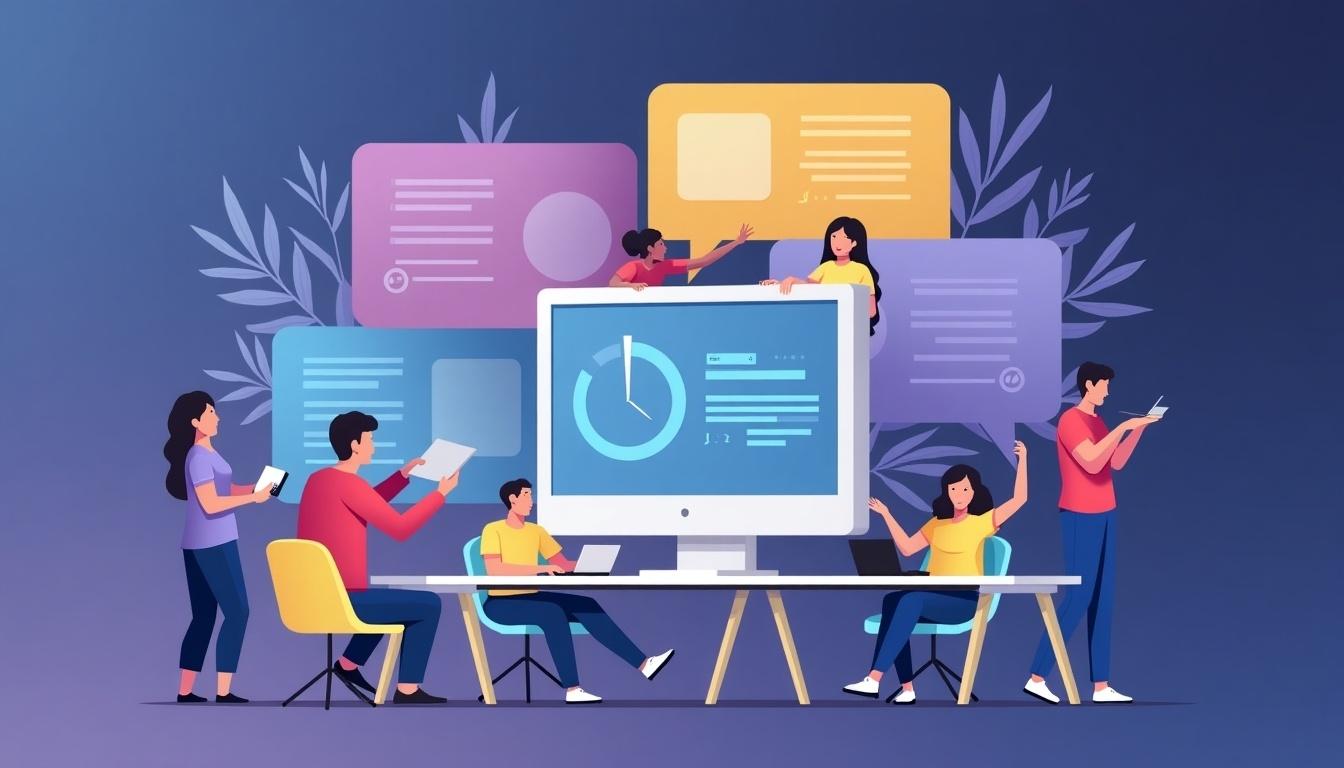
Engaging with the developer community can provide vital support and resources as you learn front-end development. Joining platforms like Stack Overflow, GitHub, and Reddit allows you to connect with other developers, ask questions, and share your knowledge. For instance, if you’re stuck on a JavaScript issue, you can post your question on Stack Overflow and often receive quick help from experienced developers. Additionally, consider following seasoned developers on Twitter and LinkedIn. They often share valuable insights, tutorials, and trends that can keep you updated in the ever-changing landscape of web development. Participating in local meetups or online webinars can also help you network and learn from others in the field.
4. Explore Popular Front-End Frameworks
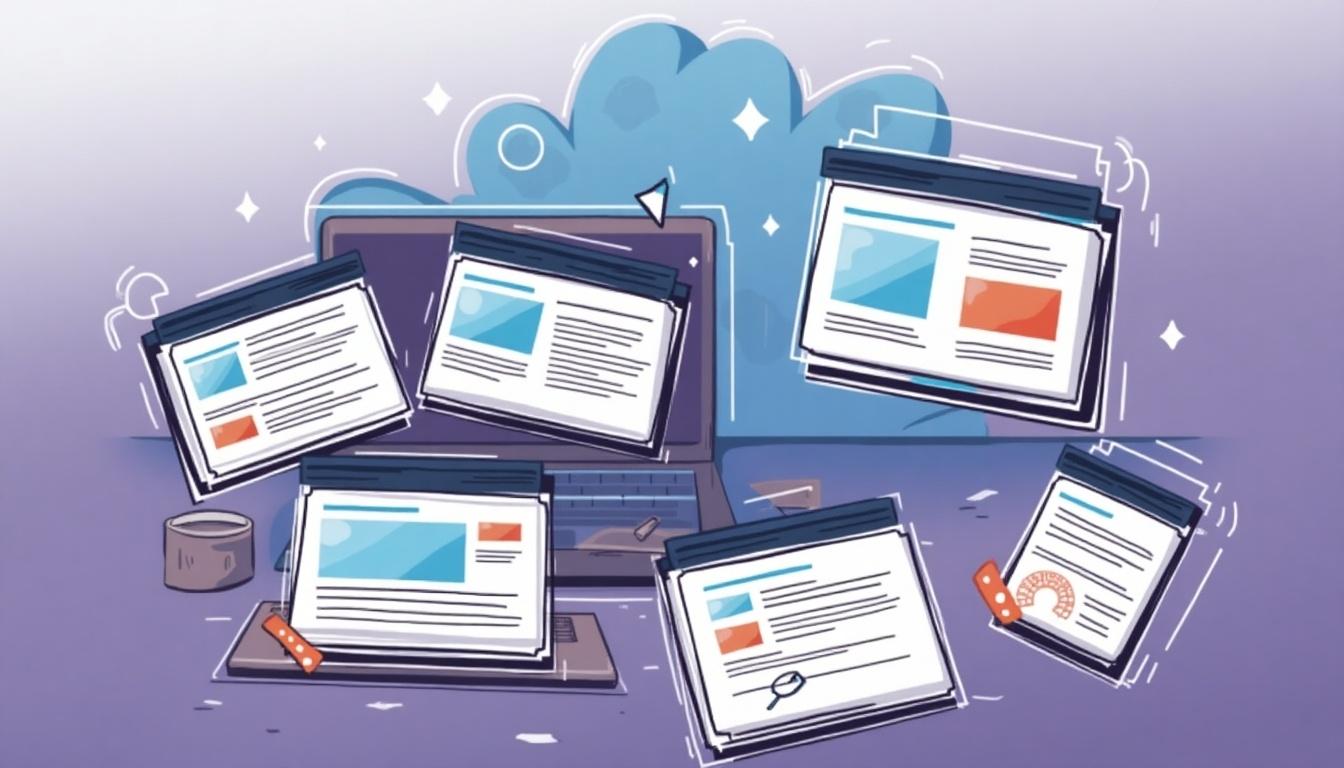
Mastering popular front-end frameworks is a key step in enhancing your development skills. Frameworks like React, Angular, and Vue.js offer pre-built components and tools that save time and streamline your workflow. For instance, React allows you to create interactive UIs using components, making it easier to manage complex applications. Angular, on the other hand, provides a powerful structure for building single-page applications with its two-way data binding. Vue.js is known for its simplicity and flexibility, making it a great choice for beginners and advanced developers alike. Start by choosing one or two frameworks to dive into, focusing on their unique features, state management, and component-based architecture. This targeted approach will deepen your understanding and make you more efficient in your projects.
| Framework |
Description |
Key Features |
| React |
A JavaScript library for building user interfaces |
Component-based architecture, Virtual DOM, Hooks |
| Angular |
A platform for building mobile and desktop web applications |
Two-way data binding, Dependency injection, TypeScript support |
| Vue.js |
A progressive framework for building user interfaces |
Reactive data binding, Component system, Simplified syntax |
5. Build Projects and Create Your Portfolio
Practical experience is essential to mastering front-end development. Start by creating personal projects that showcase your skills. These projects can range from simple webpages to more complex web applications. For instance, you could build a personal blog, an interactive to-do list, or a portfolio site to display your work.
A well-crafted portfolio website is crucial. It should not only highlight your best projects but also reflect your style and approach to development. Consider including project descriptions, the technologies used, and links to the live versions or GitHub repositories.
Additionally, contributing to open-source projects can provide valuable real-world experience. Platforms like GitHub are great for finding projects that need help, allowing you to collaborate with others, learn from experienced developers, and improve your coding skills. Engaging in these activities will help you build a strong portfolio that stands out to potential employers.
- Start with small projects like to-do lists or calculators
- Create a personal website to showcase your skills
- Contribute to open-source projects on GitHub
- Build a blog to share your development journey
- Develop a portfolio that highlights your best work
- Create responsive designs that work on mobile and desktop
- Experiment with different frameworks and libraries like React or Vue
Frequently Asked Questions
1. What are the basic skills I need to start frontend development?
To start frontend development, you need to learn HTML for structuring web content, CSS for styling, and JavaScript for interactive features.
2. Which tools should I use for frontend development?
You should use a code editor like Visual Studio Code, a web browser for testing, and version control tools like Git to manage your code.
3. How can I improve my frontend development skills?
You can improve your skills by practicing through projects, taking online courses, and keeping up with the latest web development trends.
4. What are some common challenges in frontend development?
Some common challenges include ensuring cross-browser compatibility, optimizing website performance, and making design responsive for different devices.
5. How do I stay updated with frontend development trends?
You can stay updated by following relevant blogs, joining online communities, and participating in webinars and workshops on frontend development.
TL;DR To master front-end development, follow these five steps: 1) Learn HTML and CSS basics for structuring and styling web pages. 2) Master JavaScript to add interactivity and dynamic content. 3) Join front-end development communities for support and networking. 4) Explore popular frameworks like React or Vue.js to enhance productivity. 5) Build projects to create a portfolio showcasing your skills and experience.