Thanos stands out as a fascinating yet flawed antagonist in the Marvel Cinematic Universe, pushing viewers to consider complex moral dilemmas. His belief that eliminating half of life will create balance stems from his experiences on Titan, where overpopulation led to collapse. This utilitarian approach, aiming for the greatest good by sacrificing many for the survival of others, prompts intense ethical scrutiny. While he thinks he’s acting for the greater benefit, his willingness to deliberately cause harm challenges our understanding of morality. Thanos’ character serves as a stark reminder that noble intentions can’t justify immoral actions and highlights the intricacies of ethical decision-making.
Thanos: A Complex Villain in the MCU
Thanos is a character that challenges our understanding of good and evil. Unlike typical villains, he is not driven by greed or a thirst for power alone; his motivations stem from a twisted sense of duty. He believes that by eliminating half of all life, he is preventing suffering and ensuring a better future for the survivors. This perspective forces audiences to grapple with uncomfortable questions about morality. For instance, is it ever justifiable to sacrifice a few for the greater good? Thanos’ actions evoke a sense of empathy, especially when we learn about his past and the destruction of Titan. He genuinely believes that he is a savior of sorts, which complicates our reaction to him. In the context of the MCU, Thanos serves as a mirror to our own world, where leaders often make difficult decisions that impact many lives. His character illustrates the fine line between heroism and villainy, prompting viewers to reflect on the nature of morality in a complex universe.
Understanding Thanos’ Philosophy
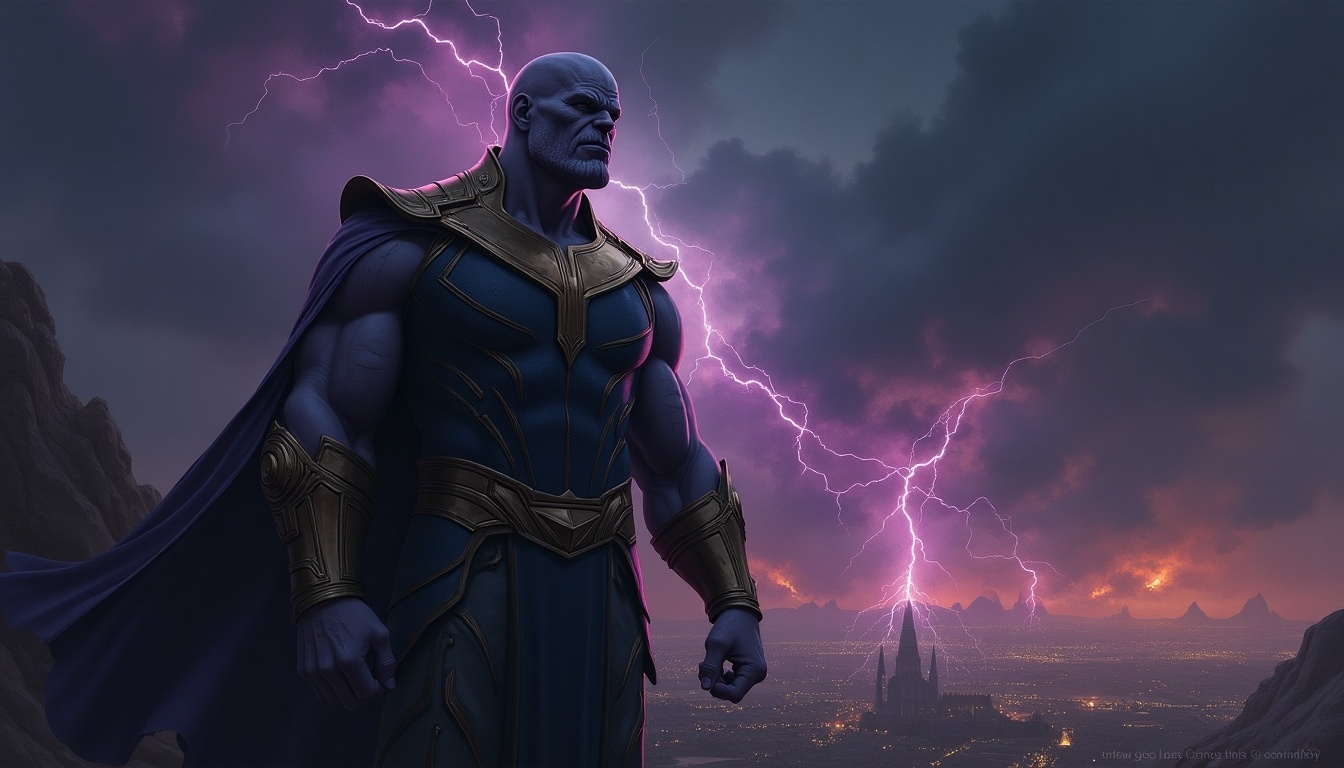
Thanos’ worldview is shaped by his traumatic experiences on Titan, where overpopulation led to the planet’s downfall. He believes that to prevent similar tragedies across the universe, he must take extreme measures. This leads him to adopt a utilitarian approach, prioritizing the greater good over individual lives. Thanos argues that by eliminating half of all existence, he can ensure resources are sufficient for the survivors, thereby creating a more stable and prosperous future. However, his reasoning overlooks the inherent value of each life, reducing individuals to mere numbers in a grand equation.
Thanos exemplifies a radical interpretation of utilitarianism, where the ends justify the means. He views his actions as a necessary sacrifice, believing that the temporary pain inflicted on many will ultimately result in long-term benefits for the few. Yet, this perspective fails to account for the suffering caused by such an act. The concept of the ‘greater good’ becomes dangerously subjective in Thanos’ philosophy, as it allows for justifications of horrific actions based on a skewed understanding of welfare.
Additionally, Thanos’ rationale raises questions about moral responsibility. If one believes they are acting for a greater cause, does that absolve them of the consequences of their actions? His actions reflect a nihilistic view, where the end result is valued far above the means employed to achieve it. This creates a moral paradox: can one truly create a better world through destruction? Thanos embodies the tension between idealism and morality, forcing audiences to confront uncomfortable truths about sacrifice, value, and what it means to truly care for others.
- Thanos believes in the necessity of balancing resources with population.
- His philosophy stems from witnessing overpopulation and resource depletion on his home planet, Titan.
- He sees his actions as an act of mercy rather than genocide.
- Thanos considers suffering as a part of life that ultimately leads to growth and prosperity.
- He argues that a universe with balanced resources promotes overall happiness.
- His views challenge traditional moral frameworks, posing further ethical questions.
- Thanos’s rationale reveals the conflict between individual rights and the greater good.
The Role of Utilitarianism in Thanos’ Plan
Utilitarianism plays a central role in Thanos’ rationale for his actions. He believes that by eliminating half of all life, he can create a more sustainable universe where resources are plentiful and suffering is reduced. Thanos argues that this drastic measure is for the greater good, aiming to ensure the survival and prosperity of the remaining population. However, this perspective is fundamentally flawed. Maximizing happiness for the majority, in this case, overlooks the intrinsic value of individual lives and the deep emotional and social connections that exist within communities.
For example, consider a community where half the residents are suddenly removed. The survivors would not only face the emotional trauma of loss but also the disruption of social structures and support systems. The happiness derived from the remaining population may not be sufficient to outweigh the grief and chaos caused by such an action.
Furthermore, Thanos’ utilitarianism is a form of consequentialism, where the end justifies the means. However, this perspective raises ethical dilemmas about who gets to decide what constitutes the ‘greater good.’ Thanos assumes a god-like position, determining the fate of billions based on his own experiences and beliefs. This authoritarian approach disregards the voices and rights of those he deems expendable, making his version of utilitarianism deeply problematic.
Examining the Principle of Double Effect

The principle of double effect is an ethical framework that can provide insight into the moral implications of Thanos’ actions. This principle asserts that it can be permissible to cause harm if it is not the intended outcome and is a side effect of achieving a good end. For instance, in medical ethics, a doctor may administer pain relief that inadvertently shortens a patient’s life, yet the intention is to alleviate suffering. In Thanos’ case, he argues that his intention is to save the universe from overpopulation and resource depletion. However, his plan directly aims to eliminate half of all life, which contradicts the very essence of the principle. The harm he inflicts is not merely a byproduct but a core objective of his actions. Furthermore, for the principle to hold, the good resulting from the action must significantly outweigh the harm caused. Thanos fails this criterion; the loss of countless lives cannot be justified by the vague promise of future prosperity. His approach disregards the intrinsic value of life and the moral weight of individual suffering, illustrating a profound misalignment with the principle of double effect.
Real-World Issues of Overpopulation
Overpopulation is a pressing issue in our world today, raising questions about resource allocation, sustainability, and ethical governance. Thanos’ justification for his actions is reminiscent of real-world theories like Malthusianism, which suggests that unchecked population growth could lead to resource depletion and societal collapse. In many parts of the world, we see the strain that rapid population growth puts on resources like food, clean water, and energy. For instance, countries facing severe droughts or famine often cite overpopulation as a contributing factor to their crises.
Policies addressing overpopulation, such as family planning and education, are often contentious. Critics argue that coercive measures, like forced sterilizations, violate human rights, while proponents believe they are necessary to ensure a sustainable future. Thanos’ approach, though extreme, highlights the ethical dilemmas faced when balancing individual rights against the collective good. It poses the question: how far should one go to ensure the survival of the majority?
Additionally, the topic of overpopulation intersects with environmental concerns. As populations grow, so does the demand for resources, leading to deforestation, pollution, and loss of biodiversity. Thanos’ belief that sacrificing half of all life could restore balance echoes these real-world fears, yet it raises moral questions about the value of life and the ethics of playing god. Ultimately, these debates reveal the complexities surrounding overpopulation, illustrating the thin line between necessary intervention and moral transgression.
| Issue | Description | Potential Solutions |
|---|---|---|
| Malthusian Catastrophe | Theory that population growth will outpace resources, leading to societal collapse. | Population control measures, resource management, sustainable development. |
| Food Security | Concerns regarding the ability to provide sufficient food for a growing population. | Agricultural innovation, reduction of food waste, equitable food distribution. |
| Climate Change | Population growth contributes to environmental degradation and climate challenges. | Renewable energy adoption, carbon footprint reduction, education on sustainable practices. |
| Urban Overcrowding | Increasing population density in cities leads to housing and infrastructure strain. | Urban planning, development of new cities, improving public transport. |
Thanos and Ethical Dilemmas
Thanos’ approach to addressing the issue of overpopulation raises significant ethical dilemmas. His belief that eliminating half of all life would create balance reflects a stark utilitarian perspective, yet it overlooks the individuality and inherent value of each life. This notion parallels real-world debates about population control, where the rights and dignity of individuals can be overshadowed by the pursuit of a perceived greater good. For instance, some argue for strict measures to curb population growth to ensure sustainability, often ignoring the ethical implications of such actions. Thanos’ actions, while aimed at preventing suffering, highlight the moral costs of sacrificing individual lives for a supposed collective benefit. This tension invites deeper reflection on how society values life and the ethical frameworks that guide our decisions in the face of complex problems.
The Moral Failings of Thanos’ Actions
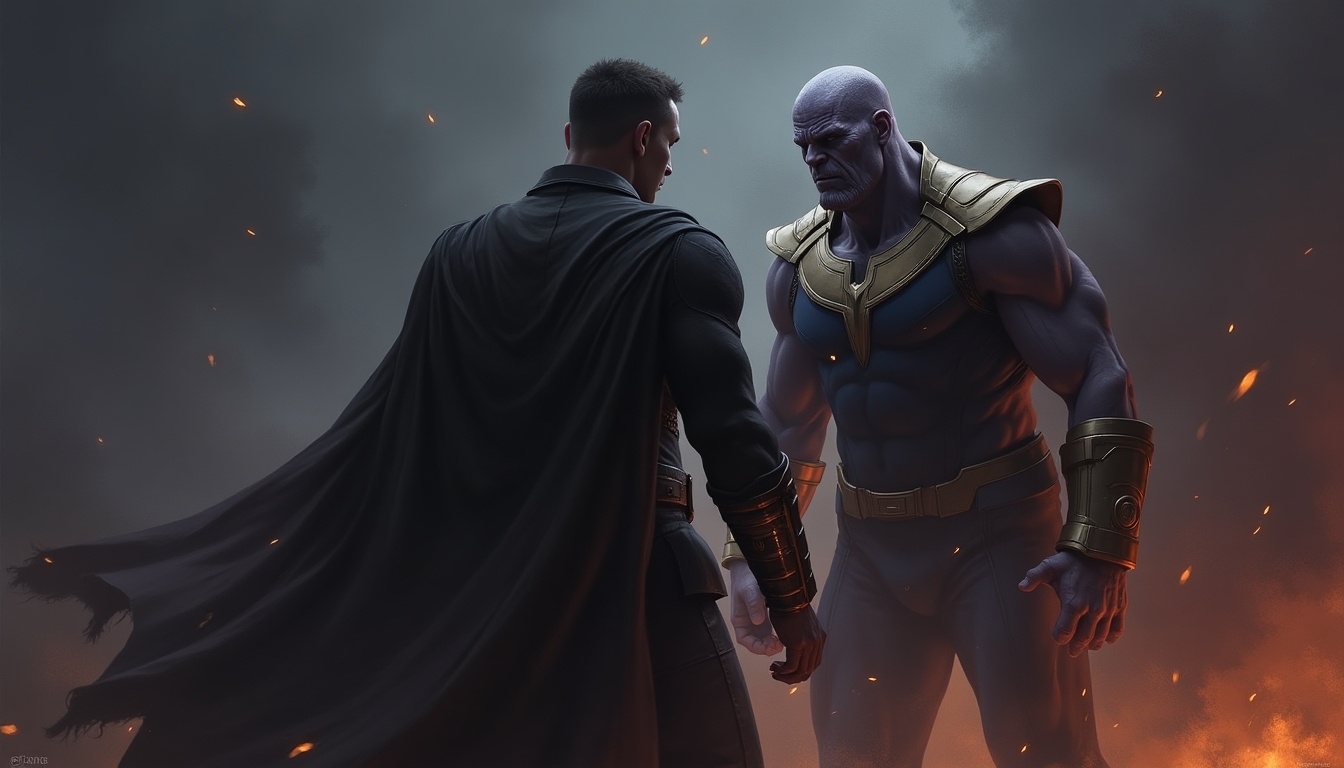
Thanos’ actions are fundamentally flawed because they disregard the intrinsic value of each individual life. By opting for a one-size-fits-all solution to overpopulation, he reduces people to mere numbers, stripping them of their humanity. For example, when he eliminates half of life, he fails to consider the potential contributions of those he destroys, such as a child who might grow up to innovate, a leader who could bring about positive change, or a caregiver who provides essential support to their community. Moreover, Thanos’ belief that suffering can be mitigated through mass destruction overlooks the fact that a world with half the population could still face challenges like resource distribution, social inequality, and conflict. His actions also reflect a dangerous hubris, as he assumes the role of a higher power deciding who deserves to live. This raises ethical concerns about who gets to define ‘balance’ and whether such an extreme measure can ever be justified. In essence, Thanos embodies the moral failings of utilitarianism taken to an extreme, where the ends are falsely perceived to justify the means, ultimately devaluing life itself.
Lessons from Thanos’ Quest for Balance
Thanos’ quest for balance offers several critical lessons about morality and decision-making. One of the most significant lessons is the danger of viewing individuals as mere numbers in a larger equation. Thanos reduces the complexity of life to a simple ratio: half must die for the other half to thrive. This perspective not only dehumanizes those he targets but also ignores the unique contributions and potential of every individual. It reminds us that ethical decisions should account for personal stories and the intrinsic value of life.
Another lesson is the importance of means versus ends. Thanos believes that his ultimate goal justifies his horrific methods. This raises the question of whether a morally acceptable outcome can be achieved through morally reprehensible actions. For instance, in real-world contexts, some argue that extreme measures, such as authoritarian policies for population control, could be justified if they lead to a perceived greater good. However, history shows that such justifications often lead to greater suffering and moral decay.
Moreover, Thanos’ actions serve as a stark reminder of the consequences of unchecked power. He wields the Infinity Stones with little regard for the repercussions of his actions. This paints a cautionary picture about the responsibilities that come with power, emphasizing that ethical leadership requires humility and accountability. Thanos’ failure to consider the long-term effects of his decisions exposes a critical flaw in his philosophy, showcasing how a singular focus on balance can lead to chaos instead.
Finally, Thanos’ narrative challenges us to think about alternative solutions to societal issues. Rather than resorting to drastic and violent measures, it encourages discussions about sustainable practices, resource management, and cooperative solutions. By fostering dialogue and collaboration rather than division, we can work toward genuine balance without sacrificing fundamental ethical principles.
Frequently Asked Questions
1. What did Thanos believe was right about his plan?
Thanos thought that by wiping out half of all life, he could prevent overpopulation and make resources more plentiful, ultimately leading to a better quality of life for everyone.
2. How does Thanos’s plan relate to moral philosophy?
His plan raises questions about utilitarianism, which is the idea of doing what’s best for the greatest number of people, versus individual rights and values.
3. Did everyone in the Marvel universe agree with Thanos’s plan?
No, many characters, like Captain America and Iron Man, strongly opposed Thanos’s actions, believing that taking lives to solve problems is never justified.
4. What are some ethical theories that can be applied to Thanos’s actions?
We can look at utilitarianism, which focuses on outcomes, and deontological ethics, which focuses on rules and duties. Thanos’s actions can be seen as utilitarian, but many argue they are morally wrong regardless of the outcomes.
5. Is there a lesson to learn from Thanos’s story?
Yes, it teaches us about the importance of considering the consequences of our actions and the value of individual lives, even when trying to solve large-scale problems.
TL;DR Thanos, a complex villain in the MCU, believes that eliminating half of all life will restore balance and prevent overpopulation. Analyzing his philosophy reveals flaws in his utilitarian approach, as his actions disregard individual life and dignity. Despite intentions to benefit the greater good, his plan highlights the ethical dilemmas of sacrificing lives for a perceived greater good, serving as a cautionary tale about the moral implications of such radical solutions.